
The Uncharted Territory: Navigating B2B SaaS Acquisition to Conquer New Horizons
Imagine you’re standing on the precipice of a vast, digital ocean. Before you lies the boundless potential of the B2B SaaS world, a landscape teeming with innovation and opportunity. You’ve built your ship – a brilliant software solution, perhaps one that streamlines workflows, optimizes data, or revolutionizes communication. It’s robust, elegant, and genuinely solves a critical business problem. But a magnificent ship, no matter how seaworthy, is useless if it stays docked. Your mission now is to set sail, find your crew (your customers), and chart a course for sustainable growth. This, my friend, is the essence of B2B SaaS acquisition strategy. It’s less about simple selling and more about a strategic expedition, full of discovery, challenges, and immense rewards.
Let’s call our fictional company "Acme Solutions." They’ve developed an AI-powered project management tool, designed to slash meeting times and boost team productivity. The product is fantastic, but initially, their acquisition efforts felt like firing cannonballs into the fog – lots of noise, little impact. This is where most early-stage SaaS companies find themselves. They know their product, but they haven’t quite mapped the journey to their ideal customers.
The Foundation: Knowing Your Map and Compass
Before setting sail, any seasoned explorer first studies the maps and checks the compass. For Acme Solutions, this meant delving deep into SaaS market research. Who are the businesses that genuinely need this solution? What are their pain points? What are they currently using, and why isn’t it good enough? Without this fundamental understanding, every marketing dollar spent and every sales call made is a shot in the dark, driving up your SaaS customer acquisition cost (CAC) unnecessarily.
You see, many founders start with the "what" – what their product does. But successful acquisition begins with the "who" and the "why." You need to paint a vivid picture of your ideal customer profile B2B. Is it a small startup, a burgeoning mid-market company, or a sprawling enterprise? What industries are they in? What’s their budget, their typical decision-making process? Who are the actual people (the B2B buyer persona) within those organizations who will champion your solution? Are they IT managers, project leads, or C-suite executives? Understanding these nuances allows you to tailor your messaging, your channels, and even your product roadmap. Acme realized their initial focus was too broad; they were trying to sell to "any business." By narrowing their focus to tech-enabled mid-market companies struggling with cross-functional project bottlenecks, their compass needle started to point true north.
Charting the Course: Crafting Your Core Acquisition Strategies
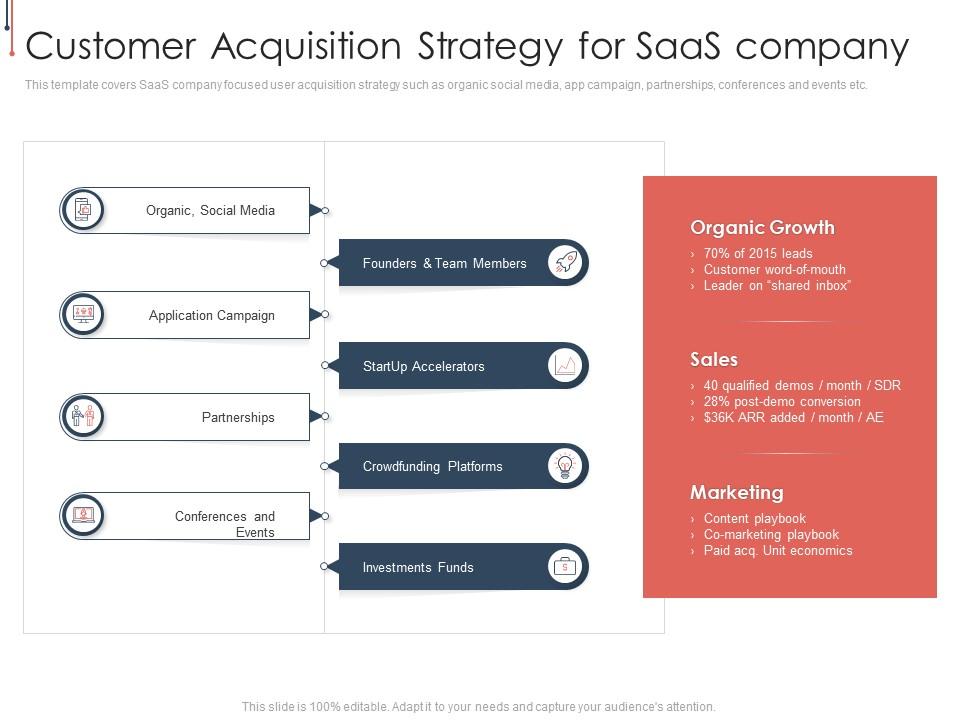
With a clear understanding of their destination, Acme could then consider the different routes to get there. This is the heart of any effective B2B SaaS acquisition strategy: choosing the right blend of inbound, outbound, and increasingly, product-led approaches.
1. Inbound: Drawing Them In Like a Lighthouse
Think of inbound marketing as building a powerful lighthouse. Instead of actively chasing ships, you create a beacon that draws them naturally to your shore. For B2B SaaS, this means creating valuable content that addresses your ideal customer’s pain points and positions your solution as the answer.
Acme Solutions began investing heavily in content marketing B2B SaaS. They started a blog with articles like "5 Ways AI Can Revolutionize Your Project Meetings" and "Reducing Time-Wasting Tasks in Agile Teams." They produced whitepapers on "The ROI of Smart Project Management" and hosted webinars demonstrating their tool’s capabilities. This content wasn’t just promotional; it was educational and problem-solving.
Crucially, they understood that great content needs to be found. This led them to prioritize SEO for SaaS. They researched keywords their target audience was searching for – "best project management AI," "team collaboration tools for remote work," "how to improve project delivery rates." By optimizing their website and content for these terms, they started ranking higher in search results, capturing organic traffic. This strategy, often slower to yield immediate results, builds long-term authority and trust, making it a cornerstone of sustainable inbound marketing for SaaS and a highly effective lead generation strategies B2B. People who find you through inbound channels are often already searching for a solution, making them higher-intent leads.
2. Outbound: The Direct Approach, Like a Skilled Navigator
Sometimes, waiting for ships to see your lighthouse isn’t enough. You need to actively sail out and engage them. This is where outbound strategies come into play.
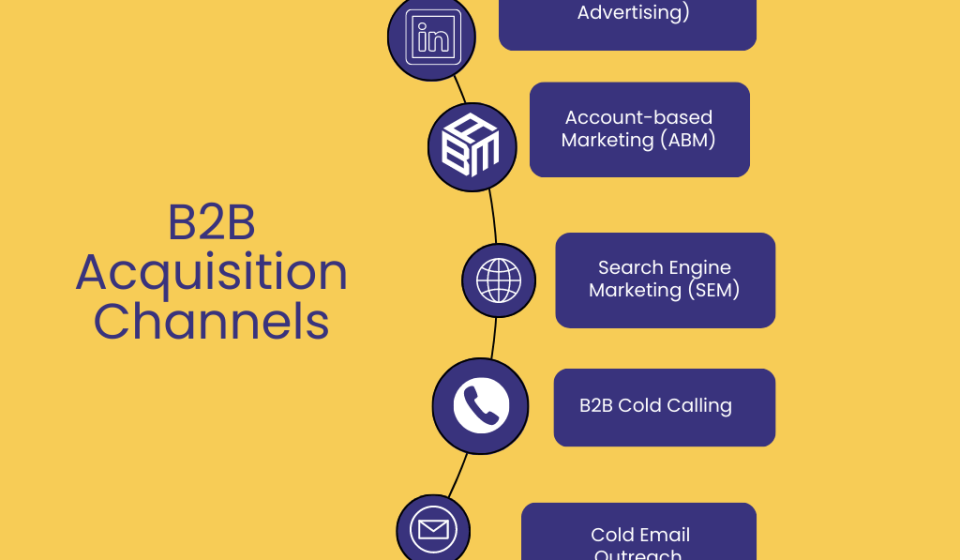
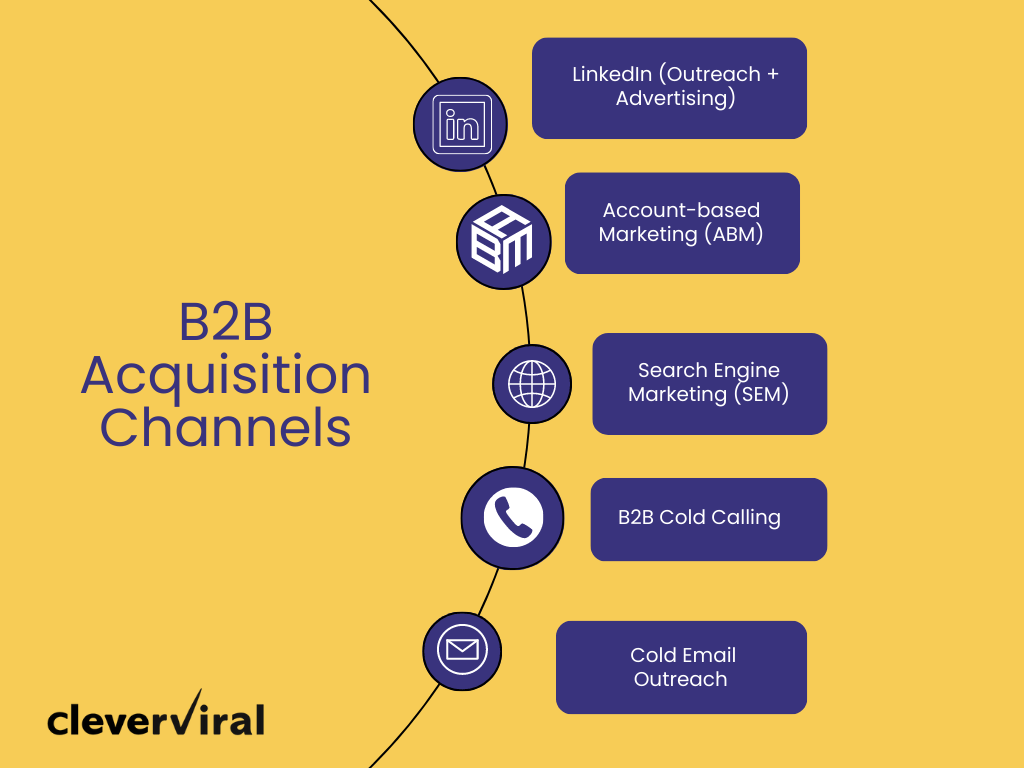
Acme built a small, dedicated sales development representative (SDR) team. Their job wasn’t to hard-sell, but to identify specific companies that matched their refined ideal customer profile and initiate conversations. This involved meticulous research to understand each prospect’s specific challenges before making contact. Their outbound sales B2B efforts focused on highly personalized emails and LinkedIn messages, offering value and insight rather than just a product pitch. They avoided generic cold outreach strategies that often lead to low response rates and negative perceptions.
For outbound to work, your B2B sales funnel optimization needs to be precise. From initial contact to discovery calls, demos, and closing, each stage must be clearly defined and optimized. Acme trained their SDRs not just on product features, but on active listening and understanding client needs, ensuring that when they passed a qualified lead to a sales executive, the groundwork was solid.
3. Product-Led Growth (PLG): Letting the Product Speak for Itself
In recent years, a powerful new acquisition channel has emerged: product-led growth (PLG) B2B. This strategy essentially turns your product into the primary driver of acquisition, conversion, and expansion.
Acme introduced a freemium model. Users could sign up for a basic version of their project management tool for free, experiencing its core benefits firsthand. The idea was to let the product’s value speak for itself. If users loved the free version, they’d naturally consider upgrading to a paid plan with advanced features. This significantly lowers the barrier to entry and builds trust. The challenge, of course, is optimizing the user experience within the free tier to drive conversion to paid plans. Acme constantly iterated on their onboarding process and in-app prompts to maximize their SaaS free trial conversion rates. When done right, PLG can drastically reduce your SaaS customer acquisition cost because the product itself is doing much of the heavy lifting.
Fueling the Journey: Marketing & Sales Engines
Beyond these core strategies, several powerful engines can propel your acquisition journey forward.
1. Digital Advertising: Setting Sail with Targeted Ads
Even with strong inbound and outbound efforts, paid advertising B2B plays a crucial role. Acme allocated budget to Google Ads, targeting high-intent keywords where their ideal customers were actively searching for solutions. They also leveraged LinkedIn Ads for SaaS, building campaigns that targeted specific job titles, industries, and company sizes that aligned with their ideal customer profile. The key here is precision; broad advertising campaigns are money burners. Highly targeted ads, however, can put your solution directly in front of decision-makers at the exact moment they’re looking.
2. Account-Based Marketing (ABM): The VIP Treatment
For Acme, aiming for larger, enterprise clients was also a long-term goal. This is where account-based marketing (ABM) SaaS became invaluable. Instead of casting a wide net, ABM focuses on identifying specific high-value accounts (e.g., Fortune 500 companies) and then orchestrating highly personalized marketing and sales efforts to penetrate them. It’s like sending a dedicated envoy to a kingdom, rather than shouting a message across the sea. This approach is common in enterprise SaaS marketing where the deal sizes are large and the sales cycles are long. Acme’s ABM team crafted custom messaging, personalized landing pages, and even dedicated sales reps for their top 20 target accounts.
3. Sales Enablement: Equipping Your Crew
Your sales team is on the front lines, and they need the best tools and training to succeed. Sales enablement SaaS involves providing them with everything they need: up-to-date product information, compelling sales scripts, competitive analyses, case studies, and efficient CRM systems. Acme invested in continuous training, ensuring their sales reps could articulate the value proposition clearly, handle objections effectively, and guide prospects through the sales journey seamlessly. A well-enabled sales team reduces friction in the acquisition process and improves conversion rates.
Measuring the Tides: Metrics and Optimization
The ocean is vast, and without navigation instruments, you’re lost. In B2B SaaS acquisition, your instruments are your metrics. Acme quickly learned that simply "getting customers" wasn’t enough; they needed to understand the efficiency and profitability of their acquisition efforts.
Key metrics like SaaS customer acquisition cost (CAC) became paramount. How much were they spending to acquire a single customer? They then compared this to the customer lifetime value (CLTV) B2B, which estimates the total revenue a customer will generate over their relationship with Acme. A healthy CLTV:CAC ratio (ideally 3:1 or higher) indicates a sustainable business model. If their CAC was too high, they knew they needed to optimize their channels or sales process.
They also rigorously tracked conversion rate optimization B2B at every stage of their funnel – from website visitor to lead, lead to qualified lead, qualified lead to demo, and demo to closed-won. By pinpointing bottlenecks, they could make targeted improvements. Perhaps their demo scheduling page was confusing, or their follow-up emails weren’t persuasive enough. Continuous testing and iteration based on data became their mantra. This iterative process is also known as SaaS growth hacking, where small, clever adjustments can lead to significant gains.
Navigating Storms: Overcoming Challenges and Adapting
The journey is rarely smooth sailing. Acme faced its share of storms: unexpectedly high churn rates, dwindling lead quality from certain channels, and intense competition. This is where adaptability and resilience come into play.
When Acme noticed a spike in churn, they realized that poor acquisition can lead to poor retention. If they were acquiring customers who weren’t a good fit for the product, those customers would inevitably leave. This highlighted the importance of acquiring the right customers, not just any customers. Addressing SaaS churn reduction starts with better acquisition.
They also experimented with new channels and tactics. They started exploring partnership opportunities, integrating with complementary SaaS solutions to tap into new customer bases. They doubled down on customer education to ensure newly acquired customers were fully leveraging the product, which in turn improved retention and reduced their overall SaaS customer acquisition cost by reducing the need to constantly replace lost customers.
Building a Fleet: Customer Success and Retention
While acquisition is about getting customers, true success in SaaS is about keeping them and helping them thrive. This is where customer success B2B SaaS comes into play. A well-executed acquisition strategy lays the groundwork for satisfied customers, but customer success ensures they remain satisfied.
Acme understood that their acquisition efforts didn’t end with a signed contract. They invested in a robust onboarding process, proactive check-ins, and dedicated support. Happy customers become advocates, providing testimonials, case studies, and most importantly, referrals – which are arguably the most cost-effective form of acquisition. This holistic approach to customer lifecycle management SaaS ensures that the investment made in acquiring a customer pays off over the long term.
The Horizon Ahead: Scaling and Future-Proofing
As Acme Solutions grew, their acquisition strategy evolved. What worked for 10 customers might not work for 1,000 or 10,000. Scaling B2B SaaS acquisition requires constant re-evaluation and adaptation. They began exploring new geographies, new product verticals, and even refining their SaaS pricing strategy to better align with the value provided to different customer segments.
They understood that the B2B SaaS landscape is dynamic. New technologies emerge, customer expectations shift, and competitors innovate. A truly successful acquisition strategy isn’t a static plan; it’s a living, breathing framework that continuously adapts, learns, and optimizes.
Ultimately, your B2B SaaS acquisition strategy isn’t just a collection of tactics; it’s the grand narrative of how you connect your innovative solution with the businesses that desperately need it. It’s a journey that demands market insight, strategic planning, relentless execution, and a commitment to continuous improvement. So, hoist your sails, study your maps, and navigate the vast B2B SaaS ocean with confidence. The horizons are limitless, and with the right strategy, your ship is destined for greatness.