
The Art of Weaving Customer Journeys: Mastering Cross-Channel Engagement Strategy
Imagine Sarah, a budding entrepreneur who sells beautifully handcrafted pottery online. For months, she poured her heart into creating stunning pieces, building a simple website, and posting diligently on Instagram. Her customers loved her work, but something felt… fragmented. A customer might browse her website, then see her pottery on Instagram later, only to get an email about a completely different product. They’d abandon their shopping cart, and Sarah wouldn’t know why. It was like her customers were walking through different doors into different versions of her shop, never quite getting the full, consistent experience. Sarah was trying to engage, but her efforts felt scattered, leaving both her and her customers a little frustrated.
This feeling of disconnect is something many businesses face. They’ve got a website, an email list, social media accounts, maybe even a physical store, but these pieces aren’t talking to each other. That’s where the magic of a cross-channel engagement strategy comes in. It’s not just about being present on multiple platforms; it’s about making sure all those platforms work together, like instruments in an orchestra, playing a harmonious tune for your customers. For Sarah, it meant turning her fragmented efforts into a beautiful, flowing symphony.
Beyond Just Being "Everywhere": The Core Idea
Many folks confuse "multi-channel" with "cross-channel," and it’s an easy mistake to make. Multi-channel simply means you’re on different channels – a website, an email, Facebook. But these channels often operate in silos. Your customer might interact with one, then another, and each interaction starts fresh, without remembering the last one. It’s like calling customer service twice and having to explain your problem from scratch each time. Annoying, right?
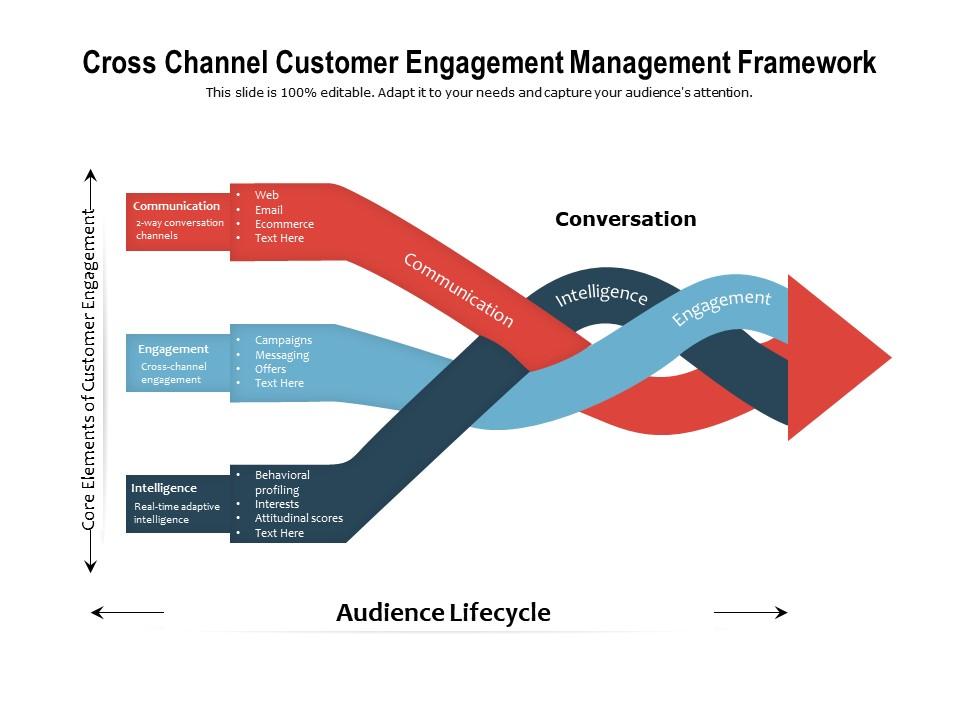
Cross-channel, however, is a whole different ballgame. It’s about creating a unified customer view across all touchpoints. It means if a customer adds a vase to their cart on your website, then leaves, they might see an Instagram ad for that exact vase an hour later, followed by an email offering a small discount on it. The channels are connected, sharing information, and collaborating to make the customer’s journey smooth, relevant, and personal. This isn’t just a fancy buzzword; it’s the foundation for truly meaningful customer relationships and a critical component of any effective omnichannel marketing strategy.
Why Bother? The Real Payoff for Your Business
You might be thinking, "This sounds like a lot of work. Is it really worth it?" Absolutely. The benefits of a strong cross-channel strategy ripple through every aspect of your business, leading to more engaged customers and, ultimately, a healthier bottom line.
First and foremost, it’s all about the personalized customer experience. In today’s crowded marketplace, customers expect businesses to understand them. They want relevant messages, not generic blasts. When your channels communicate, you can tailor interactions based on past behavior, preferences, and even where they are in their buying journey. This makes customers feel valued, understood, and cared for, not just like another number. Think about it: if Sarah knew her customer abandoned a specific vase, she could send a personalized email about that vase, rather than a generic newsletter.
This personalized touch doesn’t just make customers happy; it builds loyalty. Happy customers stick around, and that’s where customer retention strategies shine. When customers have a consistent, positive experience across all your touchpoints, they’re more likely to trust your brand, buy again, and even recommend you to their friends. Imagine the long-term value of a customer who feels truly connected to your brand because every interaction feels tailor-made for them.
Beyond loyalty, a smart cross-channel approach can significantly boost your sales and return on investment (ROI). By streamlining communication and understanding the full customer journey, you can identify where customers drop off and what messages resonate best. This precision means your marketing spend goes further. Tools and techniques like marketing automation platforms play a huge role here, helping you deliver timely, relevant messages without constant manual effort, freeing up your team to focus on bigger-picture initiatives.
Finally, it ensures brand consistency across channels. Sarah’s pottery, her website, her social media posts, her emails – they all need to feel like they belong to the same brand. A cross-channel strategy makes sure your brand voice, visuals, and messaging are uniform, no matter where a customer encounters you. This builds trust and recognition, making your brand feel reliable and professional.
Building Your Own Cross-Channel Journey: A Step-by-Step Guide
Okay, so you’re convinced. But where do you even begin? It might seem overwhelming, but by breaking it down into manageable steps, you can start building a powerful cross-channel strategy for your business.
Step 1: Get to Know Your Customer – Really Know Them (The Map)
Before you can connect channels, you need to understand who you’re connecting them for. This is where customer journey mapping becomes your best friend. Sit down and visualize every single touchpoint a customer might have with your brand, from the moment they first hear about you to long after they’ve made a purchase. What are their goals at each stage? What questions do they have? What pain points might they encounter?
For Sarah, this might mean realizing a potential customer first discovers her on Pinterest, then clicks through to her website, browses, signs up for her newsletter, and then, a week later, makes a purchase after seeing an Instagram story about a new collection. Mapping this out helps you see where the gaps are and where you can improve the experience. Gathering insights through data analytics marketing is crucial here. Look at your website traffic, email open rates, social media engagement, and even customer service inquiries to paint a complete picture. What are people clicking on? Where are they spending their time? This data isn’t just numbers; it’s a story waiting to be told.
Step 2: Connect Your Data – Build the Central Hub
This is often the trickiest, but most vital, step. For your channels to talk to each other, their data needs to be integrated. Think of it like building a central brain for your customer information. This usually involves robust CRM integration (Customer Relationship Management). Your CRM system should be the single source of truth for all customer data – their contact information, purchase history, website visits, email interactions, social media engagement, and even customer service tickets.
When all this data lives in one place, you gain that powerful unified customer view. Suddenly, Sarah knows that the person who abandoned the vase in their cart also follows her on Instagram and opened her last three newsletters. This integrated data allows for truly smart, targeted communication across every channel. Without this central hub, you’re just guessing.
Step 3: Personalize Your Conversations – Speak Directly to Them
With a unified customer view, you can start crafting truly personalized messages. This goes beyond just using their first name in an email. It means:
- Segmenting your audience: Grouping customers based on shared characteristics or behaviors.
- Tailoring content: Sending product recommendations based on past purchases or browsing history.
- Triggered messages: Automatically sending an email when a customer abandons a cart, or a push notification when a favorited item goes on sale.
- Dynamic content: Showing different content on your website or in emails based on who is viewing it.
For Sarah, this could mean sending an email to customers who purchased mugs, suggesting matching plates, or showing new glaze options to those who’ve repeatedly viewed her "new arrivals" page. This level of personalization makes customers feel seen and heard.
Step 4: Choose the Right Channels for the Right Moments
A cross-channel strategy isn’t about bombarding customers on every channel all the time. It’s about strategically using each channel for what it does best, at the right moment in the customer journey.
- Website: Your central hub for information, purchases, and detailed content.
- Email: Excellent for nurturing leads, sending personalized offers, purchase confirmations, and follow-ups.
- Social Media: Great for brand awareness, community building, customer service, and driving traffic with engaging visuals.
- Mobile Apps: Ideal for highly engaged customers, loyalty programs, and push notifications for urgent updates or exclusive offers.
- SMS/Text: Best for time-sensitive alerts, appointment reminders, or quick updates.
- In-store (if applicable): A chance for face-to-face interaction, product demonstrations, and unique brand experiences.
Consider Sarah: she might use Instagram for discovery and inspiration, her website for detailed product information and purchasing, and email for nurturing post-purchase relationships and announcing sales. The key is to ensure the transition between these channels is seamless.
Step 5: Automate Smartly – Let Technology Do the Heavy Lifting
You can’t manually manage every customer interaction across every channel. That’s where marketing automation platforms become indispensable. These tools allow you to set up rules and workflows that automatically deliver the right message, on the right channel, at the right time, based on customer behavior.
Think of it:
- A welcome email series when someone signs up for your newsletter.
- A cart abandonment reminder.
- A birthday discount message.
- Follow-up emails after a purchase, asking for a review or suggesting related products.
- Segmented ad campaigns based on browsing history.
Automation ensures consistency and efficiency, allowing you to scale your personalized efforts without burning out your team. It’s about using technology to enhance, not replace, human connection.
Step 6: Measure, Analyze, and Adapt – The Continuous Loop
Building a cross-channel strategy isn’t a "set it and forget it" task. It’s an ongoing process of learning and refinement. You need to constantly measure the effectiveness of your efforts using data analytics marketing.
Track key performance indicators (KPIs) like:
- Customer lifetime value (CLV)
- Customer acquisition cost (CAC)
- Conversion rates across different channels
- Email open and click-through rates
- Social media engagement
- Website traffic and bounce rates
Use tools to perform A/B testing on your messages, offers, and channel combinations. What headline works best? Does a text message or an email get a better response for a specific offer? The insights you gain from this analysis will help you continually optimize your strategy, making it more effective over time. This continuous feedback loop is what drives true digital transformation strategy within your marketing efforts.
Common Roadblocks on the Path to Cross-Channel Success
While the benefits are clear, the journey isn’t always smooth. Here are a few common pitfalls to watch out for:
- Siloed Data: This is the biggest killer. If your customer data lives in separate, unconnected systems, you can’t achieve a unified view. Investing in CRM integration and data centralization is non-negotiable.
- Lack of Internal Alignment: Different departments (marketing, sales, customer service) need to be on the same page. A cross-channel strategy requires collaboration and a shared understanding of the customer journey.
- Over-Automation and Losing the Human Touch: While automation is powerful, don’t let your brand become robotic. There are times when a personal email from a team member or a thoughtful response on social media goes a long way. Find the right balance.
- Ignoring Mobile: Most customers interact with brands on their mobile devices. Ensure your cross-channel strategy is mobile-first, with responsive designs and mobile-friendly content.
- Trying to Do Too Much, Too Soon: Don’t try to perfect every channel overnight. Start with a few key channels, get them working together smoothly, and then expand.
The Future is Connected: Embracing a Unified Vision
The business world is moving rapidly towards an even more integrated future. Customers expect a seamless, intuitive experience, and those businesses that deliver will be the ones that thrive. A strong cross-channel engagement strategy isn’t just a competitive advantage; it’s becoming a fundamental requirement for building lasting relationships and driving sustainable growth.
Think about how leading brands manage to make you feel like they "get" you. They remember your preferences, offer relevant suggestions, and anticipate your needs. This isn’t magic; it’s the result of carefully orchestrated cross-channel efforts, fueled by data and a deep understanding of the customer journey.
For Sarah and her pottery business, embracing this strategy means her customers no longer feel like they’re walking through different, disconnected doors. Instead, they experience a cohesive, delightful journey, where every interaction builds on the last, fostering a sense of trust and personal connection. Her website, Instagram, and emails now tell a single, beautiful story – the story of her brand, her art, and her valued customers. And that, in essence, is the true art of mastering cross-channel engagement. It’s about building bridges, connecting dots, and creating an experience so smooth, so personalized, and so consistent that customers don’t just buy your products; they fall in love with your brand.