
Building a Thriving Digital Ecosystem: A Journey from Concept to Connected Reality
Imagine, for a moment, you’re not just building a house, but an entire city. Not with bricks and mortar, but with code, data, and human ingenuity. This isn’t just about constructing individual buildings – a website here, an app there – but about designing the roads, the power grid, the public parks, and the bustling marketplaces that allow everyone and everything to connect, interact, and thrive. This grand vision is what we call digital ecosystem development. It’s the intricate art and science of creating interconnected networks of platforms, users, services, and data, all working in harmony to deliver immense value.
For too long, businesses operated in silos, each department a self-contained island. Then came the internet, breaking down walls, allowing information to flow. But even that wasn’t enough. The true revolution began when we started consciously designing these connections, understanding that the sum is far greater than its parts. This isn’t just a tech trend; it’s a fundamental shift in how value is created and exchanged in the modern world.
The Genesis: From Isolated Islands to Interconnected Worlds
Think about the early days of the internet. You had websites, sure, but they were mostly static brochures. Then came e-commerce, allowing transactions. But it was still largely one-way traffic. The shift to a true digital ecosystem began when we realized the power of participation, of letting different entities – businesses, customers, developers, even devices – interact dynamically.
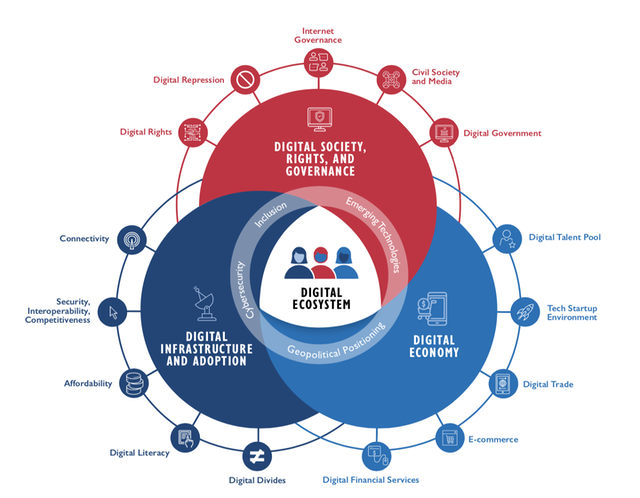
At its core, a digital ecosystem is a dynamic, interdependent network. It comprises various components:
- Platforms: These are the central hubs, the marketplaces, the operating systems where interactions happen. Think of app stores, social media networks, or cloud service providers.
- Users/Participants: This includes customers, employees, partners, developers, and even smart devices. They are the lifeblood, generating data and driving demand.
- Services and Applications: These are the specific offerings that cater to user needs, built upon or integrated with the core platforms.
- Data: The fuel that powers the entire system. It flows between components, informing decisions, personalizing experiences, and enabling new innovations.
- APIs (Application Programming Interfaces): These are the invisible bridges, the standardized connectors that allow different software systems to talk to each other seamlessly. They are the very veins of the API economy, enabling rapid integration and innovation.
The journey of digital ecosystem development often begins with a clear vision: what problem are we trying to solve? What value are we trying to create? It’s not about building a single product, but an environment where many products and services can flourish, often independently yet synergistically.
Laying the Foundation: Infrastructure and Interoperability
Just like a city needs robust infrastructure – roads, power lines, communication networks – a digital ecosystem demands a solid technological backbone. This often starts with digital infrastructure development. We’re talking about robust, scalable systems that can handle immense traffic and data. This frequently involves leveraging cloud computing solutions. Public, private, or hybrid clouds provide the flexibility, scalability, and resilience needed to host complex platforms and applications without the burden of managing physical servers.
Interoperability is paramount. Imagine a city where different districts speak different languages and use incompatible power outlets. Chaos! In a digital ecosystem, this is where APIs become heroes. By creating well-documented, secure APIs, organizations can open up their platforms, allowing third-party developers to build new applications and services that enrich the entire ecosystem. This open innovation platforms approach fosters collaboration and accelerates the pace of innovation far beyond what a single organization could achieve alone.
For instance, a SaaS ecosystem thrives on integration. A CRM platform might integrate with marketing automation tools, accounting software, and customer support systems, all via APIs, creating a seamless workflow for businesses. Each integration adds value, making the core platform even more indispensable.
The Human Heartbeat: Experience, Trust, and Collaboration
Technology is merely a tool. The true success of any digital ecosystem hinges on its human participants. This brings user experience design to the forefront. The ecosystem must be intuitive, easy to navigate, and genuinely helpful. If it’s clunky or frustrating, people won’t stick around, no matter how powerful the underlying tech. Think about how easy it is to book a ride or order food through an app – that’s good UX in action, creating a frictionless path to value.
Building trust is equally critical. In an interconnected world, cybersecurity framework implementation is non-negotiable. Data breaches erode confidence faster than almost anything else. Robust security measures, transparent data handling policies, and adherence to privacy regulations are essential. People need to feel safe sharing their data and engaging with the services. This also ties into regulatory compliance digital, ensuring that the ecosystem operates within legal boundaries, especially concerning data privacy (like GDPR or CCPA).
Collaboration isn’t just about technical integrations; it’s about fostering a community. This means actively engaging with developers, partners, and users. Providing support, listening to feedback, and creating opportunities for co-creation helps the ecosystem evolve organically. A successful ecosystem isn’t just built for people; it’s built with them. This often leads to value co-creation, where the collective input of participants enriches the offerings for everyone.
Growth and Expansion: Scaling New Heights with Innovation
Once the foundation is laid and the initial community starts to form, the focus shifts to growth and expansion. This is where digital transformation strategy plays a crucial role. It’s about continuously identifying new opportunities, embracing emerging technologies, and strategically evolving the ecosystem to meet changing demands.
- Data as the Growth Engine: Every interaction within the ecosystem generates data. Leveraging data analytics for business becomes vital. Understanding user behavior, identifying trends, and predicting future needs allows for targeted improvements and personalized experiences. This isn’t just about crunching numbers; it’s about deriving actionable insights that drive intelligent growth.
- Embracing Emerging Technologies: A truly dynamic ecosystem doesn’t stand still. It integrates innovations.
- AI-powered innovation can revolutionize how services are delivered, from personalized recommendations to automated customer support. Imagine an ecosystem where AI helps users discover relevant services or where businesses gain deeper insights into their operations.
- IoT integration connects physical devices to the digital realm, expanding the ecosystem’s reach into smart homes, smart cities, and industrial applications. Think about a smart city initiatives ecosystem where traffic sensors, public transport, and emergency services are all interconnected, improving urban living.
- Blockchain applications enterprise can enhance trust, transparency, and security, particularly for financial transactions, supply chain management, or digital identity verification within the ecosystem. A Fintech ecosystem, for example, could leverage blockchain for secure, rapid cross-border payments.
- Developing New Business Models: The ecosystem itself can become a fertile ground for new business models. The platform business model is a prime example, where the platform owner facilitates interactions between multiple parties, generating revenue through transaction fees, subscriptions, or advertising. Think of app stores, ride-sharing platforms, or online marketplaces. Marketplace development within an ecosystem allows diverse vendors to reach a broader customer base, offering variety and choice.
Navigating the Labyrinth: Challenges and Pitfalls
Building a digital city isn’t without its challenges. There are potholes, traffic jams, and unforeseen emergencies.
- Security and Privacy: As mentioned, these are ongoing battles. The more interconnected the system, the more potential entry points for malicious actors. Constant vigilance, regular audits, and proactive threat intelligence are essential.
- Fragmentation: Without clear standards and governance, an ecosystem can become fragmented, with incompatible systems and siloed data. This defeats the purpose of interoperability.
- Governance and Regulation: Who sets the rules? How are disputes resolved? As ecosystems grow, the need for clear governance structures becomes critical. This also involves navigating complex regulatory compliance digital landscapes across different jurisdictions.
- Monetization Strategy: How does the ecosystem generate sustainable revenue for its operators and participants? Balancing value creation with revenue generation requires careful planning.
- Competition and Vendor Lock-in: While an ecosystem encourages participation, there’s always the risk of dominant players creating vendor lock-in, stifling competition and innovation. Open innovation platforms and strong API governance can mitigate this.
- Scalability Issues: What happens when the city suddenly doubles in population? The infrastructure must be able to handle immense growth. This is where careful planning for scalable digital solutions becomes paramount from day one.
The Ongoing Evolution: Sustainability and Future-Proofing
A digital ecosystem is never truly "finished." It’s a living, breathing entity that requires continuous care, adaptation, and evolution.
- Adaptability: The digital landscape changes at lightning speed. An ecosystem must be designed with flexibility in mind, able to incorporate new technologies, adapt to market shifts, and respond to evolving user needs. This means an agile development approach and a culture of continuous improvement.
- Strategic Partnerships: No single entity can build a sprawling, thriving digital ecosystem alone. Ecosystem partnership is crucial. Collaborating with other businesses, startups, and even competitors can unlock new markets, technologies, and customer segments. A great example is a healthcare digital ecosystem where hospitals, insurance providers, pharmacies, and even wearable device manufacturers collaborate to improve patient outcomes.
- Customer-Centricity: The journey of customer journey mapping is never-ending. Understanding every touchpoint, every pain point, and every moment of delight for the customer is key to refining the ecosystem and ensuring it remains relevant and valuable.
- Ethical Considerations: As our digital cities grow more powerful, we must address the ethical implications of data usage, AI decision-making, and algorithmic bias. Building an ethical ecosystem fosters trust and ensures long-term sustainability.
Looking Ahead: The Seamlessly Connected Future
The future of digital ecosystems is one of ever-increasing interconnectedness and intelligence. We’re moving towards a world where our devices, homes, vehicles, and workplaces are all seamlessly integrated, anticipating our needs and providing proactive services. Think of personalized healthcare pathways, hyper-efficient smart cities, and truly global, decentralized marketplaces.
The journey of digital ecosystem development is an adventurous one, demanding vision, technical prowess, strategic partnerships, and a deep understanding of human behavior. It’s about more than just building technology; it’s about cultivating a fertile ground where innovation blossoms, value is co-created, and connections empower everyone. For businesses and individuals alike, understanding and actively participating in this development is no longer optional – it’s the key to navigating and thriving in our increasingly digital world. The opportunity to shape these digital cities of tomorrow is immense, and the architects of these new realities are just getting started.