
The Untapped Power: How Experience-Driven Growth Will Transform Your Business
Imagine Sarah, a small business owner who poured her heart and soul into creating the most innovative coffee machine on the market. It brewed faster, had more features, and even looked sleeker than anything else out there. She was convinced it would fly off the shelves. Yet, sales were sluggish. Customers would buy one, perhaps two, but then they wouldn’t come back. Her marketing budget was astronomical, trying to constantly find new buyers, but it felt like pouring water into a leaky bucket. Sarah was stuck in the old way of thinking: product first, growth second.
Meanwhile, across town, David ran a small artisanal bakery. His bread wasn’t necessarily the cheapest, nor did he have the most exotic ingredients. But every customer who walked through his door felt like family. He remembered their names, their favorite pastries, even their kids’ birthdays. His delivery service, though a bit slower, always included a handwritten note. David didn’t just sell bread; he sold an experience. And his bakery, almost organically, was growing steadily, fueled by word-of-mouth and a fiercely loyal customer base. David understood the secret sauce: experience-driven growth strategy.
In today’s hyper-competitive world, simply having a great product or service isn’t enough. The market is saturated with options, and consumers are savvier than ever. What truly differentiates a thriving business from a struggling one isn’t just what they sell, but how they make people feel while buying it, using it, and interacting with the brand. This is the essence of experience-driven growth: making the customer experience the central engine for sustainable business expansion. It’s about building relationships, fostering trust, and creating moments that resonate long after the transaction is complete.
Beyond the Transaction: What is Experience-Driven Growth?
At its heart, experience-driven growth isn’t a new marketing tactic; it’s a fundamental shift in business philosophy. It means placing the customer, not just the product or profit, at the absolute center of every decision. It’s about understanding that every single interaction a customer has with your brand – from seeing an ad, visiting your website, talking to support, or receiving a product – contributes to an overarching perception. When these perceptions are overwhelmingly positive, they translate into repeat business, organic referrals, and a strong brand reputation, which are the most potent business growth strategies available.
Think of it as cultivating a garden. You can plant seeds (acquire new customers) all day long, but if the soil is poor, the water is scarce, and the plants aren’t nurtured, they won’t flourish. The "soil" and "nurturing" in our analogy are your customer experience strategy. When you invest in making that experience exceptional, your customers become your most powerful advocates, driving growth in ways no advertising campaign ever could. This leads to higher customer retention strategies and significantly boosts customer loyalty programs.
The Foundation: Truly Understanding Your Customer
You can’t craft an amazing experience if you don’t truly know who you’re serving. This isn’t just about demographics; it’s about psychographics, motivations, pain points, and aspirations. It’s about empathy.
- Listen Actively: The Voice of Customer (VOC): This is your direct line to understanding what’s working and what’s not. Implement robust systems for collecting Voice of Customer (VOC) data – surveys, feedback forms, social media monitoring, reviews, and direct conversations. Don’t just collect data; analyze it and, most importantly, act on it. If multiple customers complain about a slow checkout process, fix it. If they praise a specific feature, amplify it. This continuous feedback loop is vital for refining your CX growth efforts.
- Data-Driven Customer Insights: Beyond direct feedback, leverage data analytics. What are your customers buying? How long do they stay on your website? Which pages do they visit most? When do they drop off? This quantitative data, when combined with qualitative VOC, provides a holistic view. It helps you anticipate needs, personalize interactions, and identify opportunities for improvement. This is about making informed decisions, not just guessing.
- Customer Journey Mapping: Visualize every single touchpoint a customer has with your business, from initial awareness to post-purchase support. Map out their emotions, actions, and potential pain points at each stage. This exercise often reveals surprising disconnects and allows you to proactively design a smoother, more enjoyable path. For example, Sarah from our coffee machine story might discover her customers feel abandoned after purchase because there’s no easy way to get spare parts or find brewing tips.
Crafting the Seamless Experience: Key Pillars of Experience-Driven Growth
Once you understand your customer, you can begin to intentionally design experiences that delight them.
-
Digital Customer Experience (DCX) Excellence: In today’s world, a significant portion of the customer journey happens online. Your digital customer experience must be intuitive, efficient, and enjoyable.
- User Experience Design (UX): This isn’t just about pretty websites; it’s about functionality. Is your website easy to navigate? Is the information clear? Can users complete tasks (like making a purchase or finding support) without frustration? A clunky website or app is a major turn-off and can quickly erode trust. Invest in professional User Experience Design (UX) to ensure your digital touchpoints are smooth and logical.
- Mobile-First Approach: Most people access the internet via mobile devices. Your digital presence must be optimized for mobile, offering a seamless and responsive experience across all screen sizes.
- Speed and Accessibility: Slow loading times kill conversions. Ensure your digital platforms are fast. Also, design for accessibility, ensuring your content and services are usable by people with diverse abilities.
-
Personalized Customer Journey: Generic experiences are forgettable. People crave relevance. A personalized customer journey makes each customer feel seen and valued.
- Tailored Communication: Use customer data to send relevant emails, offers, and recommendations. If a customer frequently buys gluten-free products, don’t send them ads for wheat bread.
- Segmented Experiences: Group your customers based on shared characteristics or behaviors and tailor specific experiences for each segment. A first-time buyer might need more hand-holding than a long-term loyalist.
- Proactive Support: Use data to anticipate potential issues and offer help before a customer even has to ask. For example, if you see a customer struggling with a specific feature, an automated message with a tutorial link can be a lifesaver.
-
Customer Retention Strategies and Loyalty Programs: Acquiring new customers is expensive. Retaining existing ones is far more cost-effective and a cornerstone of CX growth.
- Exceptional Post-Purchase Support: The experience doesn’t end when the sale is made. Prompt, friendly, and effective customer service is paramount. This builds trust and encourages repeat business.
- Follow-Up and Feedback Loops: Check in with customers after a purchase. Ask for feedback. Show them you care about their satisfaction.
- Building Customer Loyalty Programs: Reward repeat business. This could be points systems, exclusive discounts, early access to new products, or VIP treatment. David’s bakery, for instance, might offer a free pastry after every tenth purchase. These programs make customers feel appreciated and give them a tangible reason to choose you again.
- Community Building: Create spaces (online or offline) where customers can connect with your brand and each other. This fosters a sense of belonging and strengthens their bond with your business.
-
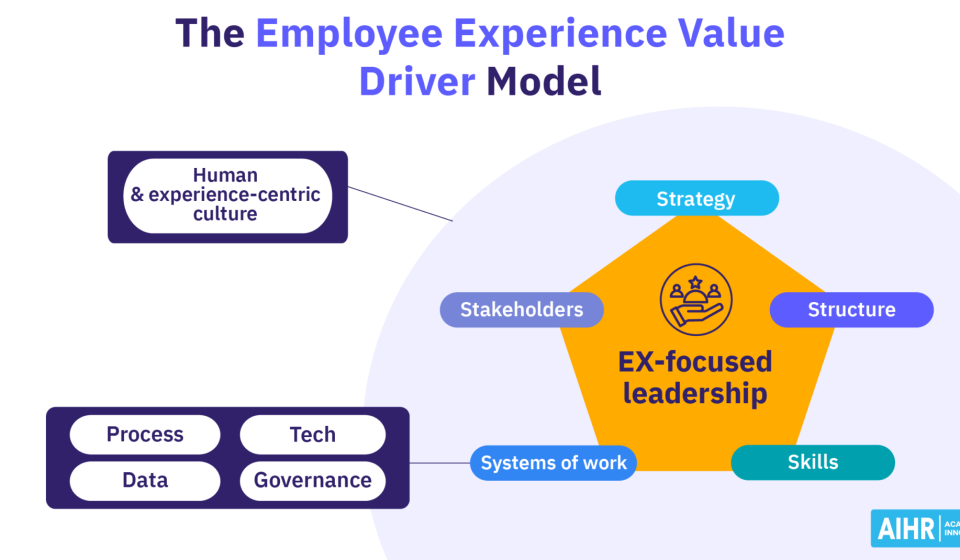
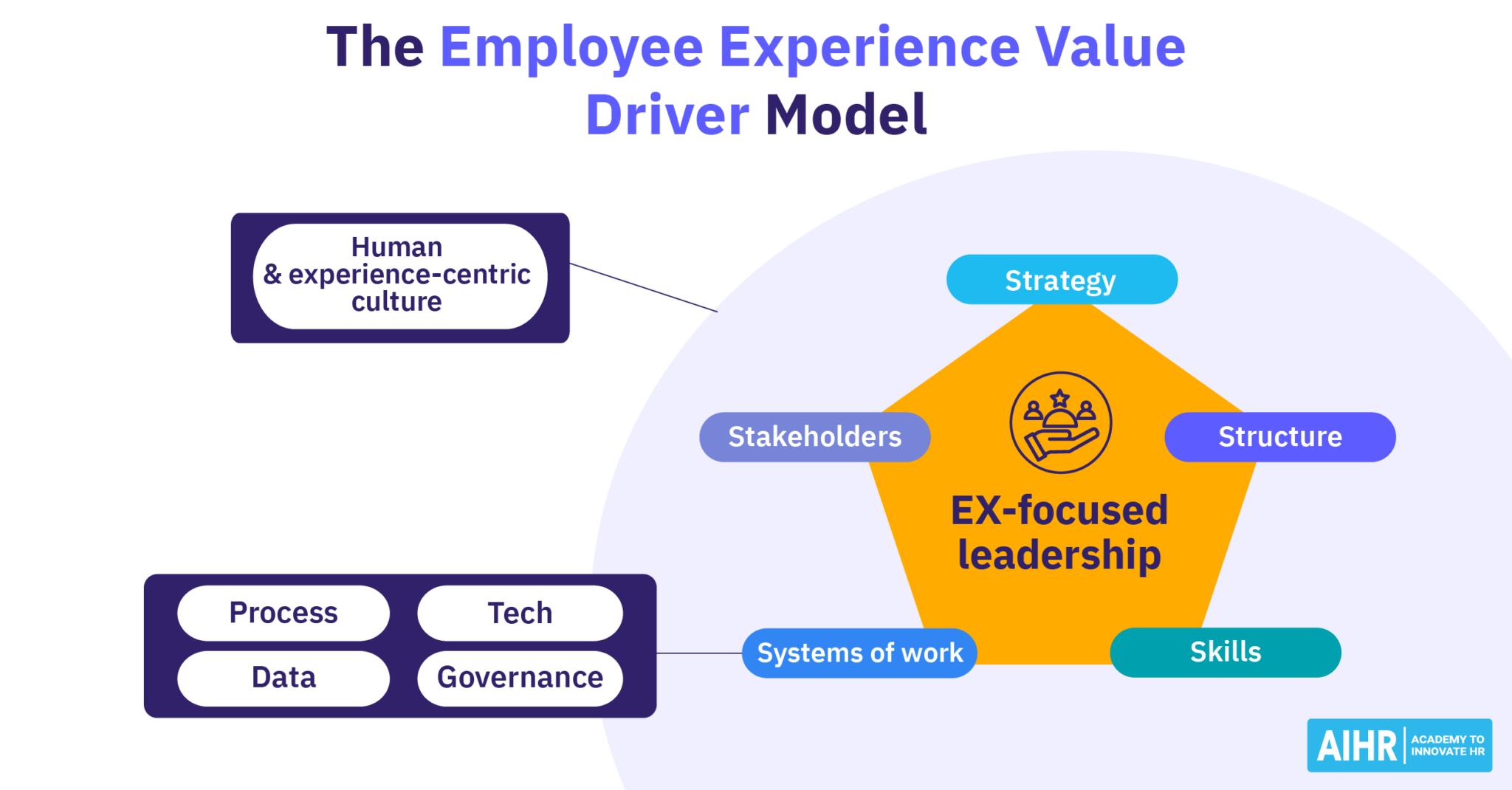
The Human Touch: Employee Experience as a CX Driver: This is often overlooked but incredibly powerful. Happy employees create happy customers. A strong employee experience impact on CX is undeniable.
- Empower Your Frontline Staff: Give your employees the training, tools, and authority to resolve customer issues quickly and effectively. Nothing frustrates a customer more than dealing with an unempowered representative.
- Foster a Customer-Centric Culture: Ensure every employee, from the CEO to the newest hire, understands the importance of the customer experience and their role in delivering it.
- Invest in Employee Well-being: When employees feel valued, supported, and motivated, they are more likely to go the extra mile for customers. High employee morale directly translates to better customer interactions.
Measuring Success: Customer Satisfaction Metrics & KPIs
You can’t manage what you don’t measure. For an experience-driven growth strategy, key performance indicators (KPIs) must reflect customer sentiment and behavior.
- Customer Satisfaction Score (CSAT): Directly asks customers to rate their satisfaction with a specific interaction or overall experience.
- Net Promoter Score (NPS): Measures customer loyalty and their willingness to recommend your product or service to others. It’s a powerful indicator of future growth.
- Customer Effort Score (CES): Measures how much effort a customer had to exert to get an issue resolved or a request fulfilled. Lower effort usually means higher satisfaction.
- Customer Churn Rate: The percentage of customers who stop doing business with you over a period. A high churn rate indicates a problem with the customer experience.
- Lifetime Value (LTV): The total revenue a business can reasonably expect from a single customer account over their relationship with the business. Excellent CX significantly boosts LTV.
- Average Resolution Time/First Contact Resolution: Important for support teams, showing efficiency and effectiveness.
Regularly tracking these customer satisfaction metrics provides actionable insights, helping you pinpoint areas for improvement and demonstrate the ROI of your CX investments.
The Ripple Effect: Benefits of Experience-Driven Growth
Embracing an experience-driven approach isn’t just about being "nice" to customers; it’s a strategic imperative with profound business benefits.
- Increased Customer Lifetime Value (LTV): Satisfied customers stay longer and spend more. They are less price-sensitive and more forgiving of occasional hiccups.
- Reduced Customer Acquisition Costs (CAC): When customers become advocates, they bring in new business through word-of-mouth, which is essentially free marketing. This lowers your reliance on expensive advertising.
- Stronger Brand Reputation Management: Positive experiences build a formidable brand image. In an age of instant reviews and social media, a strong reputation is priceless. Conversely, poor experiences can quickly damage your brand. Effective brand reputation management starts with excellent CX.
- Competitive Advantage Through CX: In markets where products and services are increasingly commoditized, customer experience becomes the ultimate differentiator. It creates a moat around your business that competitors find hard to cross. This is your sustainable competitive advantage through CX.
- Innovation Through Customer Feedback: When you actively listen to your customers (VOC), they provide invaluable insights that can fuel product development, service improvements, and even entirely new offerings. This fosters innovation through customer feedback.
- Higher Employee Engagement: As mentioned, a customer-centric culture often goes hand-in-hand with a positive employee experience. Engaged employees are more productive, creative, and committed.
Overcoming the Hurdles: Making the Shift
Transitioning to an experience-driven model isn’t always easy. It requires a significant cultural shift and investment.
- Leadership Buy-in: The commitment must start at the top. Leaders need to champion the vision and allocate resources.
- Cross-Functional Collaboration: CX is everyone’s responsibility. Marketing, sales, product development, customer service, and IT must all work together seamlessly. Break down silos.
- Technology Investment: Tools for CRM, data analytics, feedback collection, and automation are crucial for scaling CX efforts.
- Continuous Improvement: CX is not a one-time project; it’s an ongoing journey. Regularly review processes, gather feedback, and adapt.
Consider Sarah again. If she had focused on the experience of owning her coffee machine – easy setup videos, readily available spare parts, a vibrant online community for recipes and tips, and responsive customer service – her innovative product would have found its passionate audience. She would have built a community, not just sold a gadget.
The Future is Experiential
The trend towards experience-driven growth is only accelerating. As technology advances, customer expectations rise. They expect seamless omnichannel experience, personalized interactions, and proactive support. They want to feel understood and valued at every turn. Businesses that fail to adapt will find themselves increasingly marginalized, constantly fighting for attention in a noisy marketplace.
The path to sustainable growth isn’t paved with more features or cheaper prices alone. It’s paved with memorable moments, genuine connections, and consistently positive interactions. It’s about building a business that people don’t just buy from, but that they love and champion. This is the untapped power of experience-driven growth, and for any business looking to not just survive but thrive, it’s the only strategy that truly matters.