
The Shifting Sands of Value: Mastering Digital Dynamic Pricing
Imagine for a moment you’re planning a trip. You find a flight ticket price, bookmark it, and decide to buy it tomorrow. The next day, you check again, and – surprise! – the price has gone up. Or perhaps, you’re trying to catch a ride during a sudden rainstorm, and the app tells you the fare is significantly higher than usual. What you’re experiencing in both scenarios is a powerful, ever-present force in today’s digital marketplace: dynamic pricing.
This isn’t some new magic trick. It’s a sophisticated way businesses adjust prices based on a constantly changing landscape of factors. Think of it like a very smart, very quick-thinking salesperson who knows exactly when to offer a discount, when to hold firm, and when to charge a bit more. But instead of a person, it’s often a complex system of data and logic working tirelessly in the background, especially in the digital world. This is the essence of a dynamic pricing strategy digital – a method that’s reshaping how we buy and sell everything online.
What Exactly Is Dynamic Pricing? The Core Concept
At its heart, dynamic pricing, also sometimes called real-time pricing or algorithmic pricing, is simply changing prices for goods or services based on current market demands. Unlike traditional, static pricing where an item has one set price for weeks or months, dynamic pricing allows businesses to adjust their offerings almost instantly. This means the price you see for a product or service online might be different from what someone else sees, or what you might see five minutes later.
In the digital realm, this concept truly comes alive. The internet provides an unparalleled ability to gather vast amounts of information and implement changes at lightning speed. Businesses can monitor everything from competitor prices to local weather, from inventory levels to a customer’s browsing history, all in a fraction of a second. This stream of data feeds into intelligent systems, allowing prices to ebb and flow like the tide, reflecting the true, moment-by-moment value of an item. It’s a game of supply and demand played out in milliseconds, constantly striving for revenue optimization.
Why Now? The Digital Age and Its Demands
You might wonder why dynamic pricing has become so prevalent today. The answer lies in the sheer volume and speed of information available in our digital world.
Firstly, the explosion of e-commerce means transactions happen constantly, globally, and at any hour. A physical store might change prices once a week; an online store can do it a thousand times a day. Secondly, we’re awash in data. Every click, every search, every purchase leaves a digital footprint. Businesses can now collect and analyze this "big data" to understand customer behavior, market trends, and competitive landscapes with unprecedented clarity. This rich data environment is the fuel for effective dynamic pricing benefits.
Thirdly, competition is fiercer than ever. With a few clicks, customers can compare prices across dozens of retailers. This puts immense pressure on businesses to be agile and responsive with their pricing. Finally, customer expectations have evolved. We expect personalized experiences and good deals. Dynamic pricing, when implemented thoughtfully, can cater to both. It’s no longer just about setting a price; it’s about finding the right price for the right customer at the right time.
The Engines Behind the Scenes: How Digital Dynamic Pricing Works
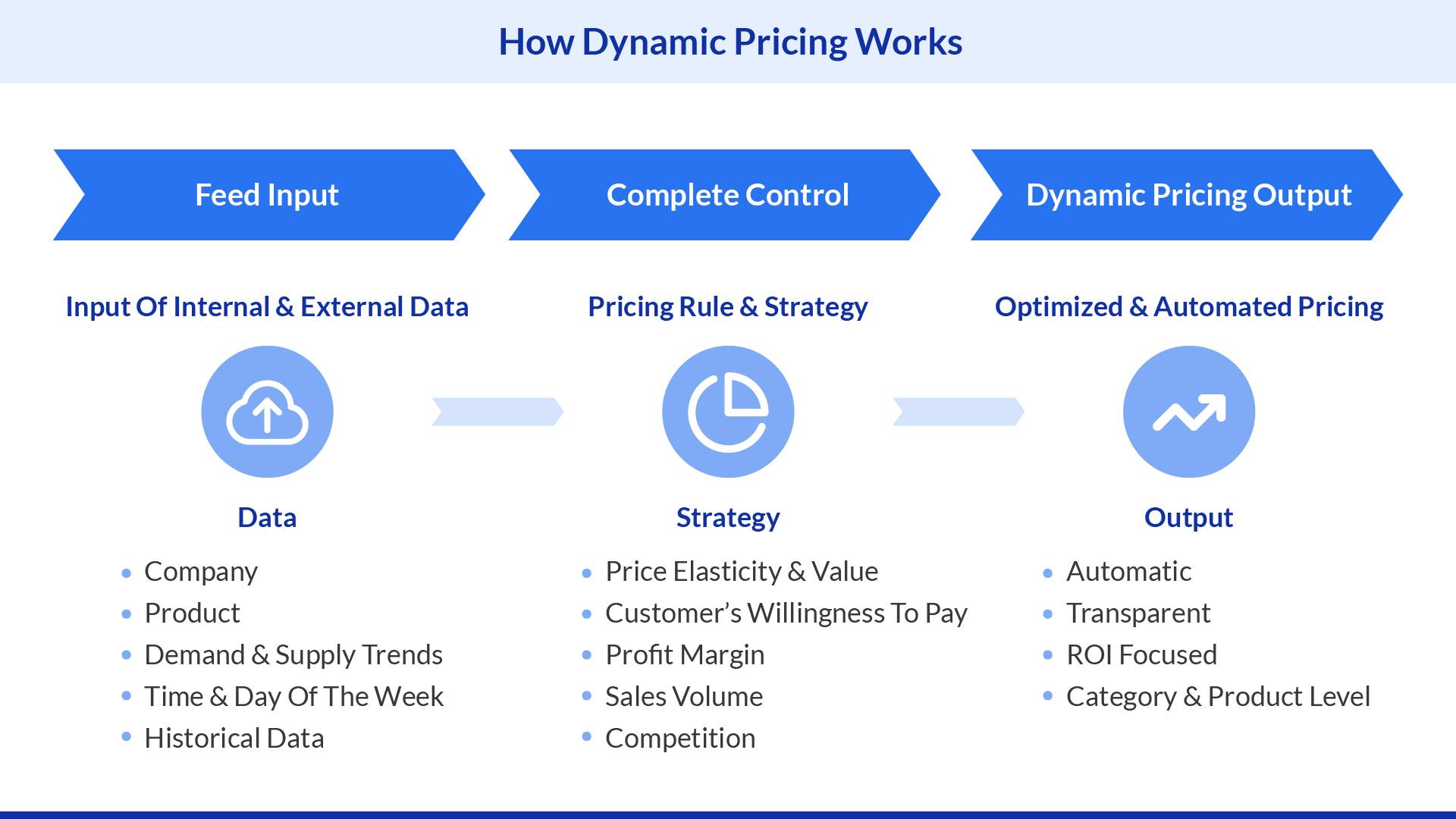
So, how do businesses actually pull this off? It’s not magic, but rather a sophisticated interplay of data, algorithms, and automation.
-
Data Collection: The Lifeblood of Pricing
The first step is gathering information. And we’re talking about a lot of information. This includes:- Demand Signals: How many people are looking at a product? How many are adding it to their cart? What time of day is popular? Are there external events (holidays, news, weather) driving interest?
- Competitor Pricing: What are rivals charging for similar items? Are they running promotions?
- Inventory Levels: How much stock do we have? Is it selling quickly or sitting on shelves?
- Time of Day/Week/Season: Are people more likely to buy coffee in the morning? Beachwear in summer?
- Customer Behavior: Past purchases, browsing history, location (if permissible), loyalty status.
- Cost Factors: Changes in supplier costs or operational expenses.
-
Algorithms & Analytics: Making Sense of the Chaos
Once data is collected, it needs to be processed. This is where the "brains" of the system come in. Pricing analytics platform solutions use complex algorithms – essentially, sets of rules and mathematical models – to find patterns and make predictions. These algorithms can:- Identify peak demand times.
- Predict how a price change might affect sales.
- Suggest optimal prices based on various factors.
- React to competitor price drops in real time.
- Determine the price elasticity of a product – how much demand changes with a price shift.
-
Automation: The Instantaneous Adjuster
The final piece is automation. Once the algorithms have crunched the numbers and suggested an optimal price, automated pricing tools can implement these changes without human intervention. This means prices can be updated on a website every few minutes, or even seconds, responding to the latest market conditions. This rapid response is what makes digital dynamic pricing so powerful and allows for sophisticated strategies like yield management software in industries like hospitality and airlines.
Beyond Just Price Changes: The Many Faces of Dynamic Pricing
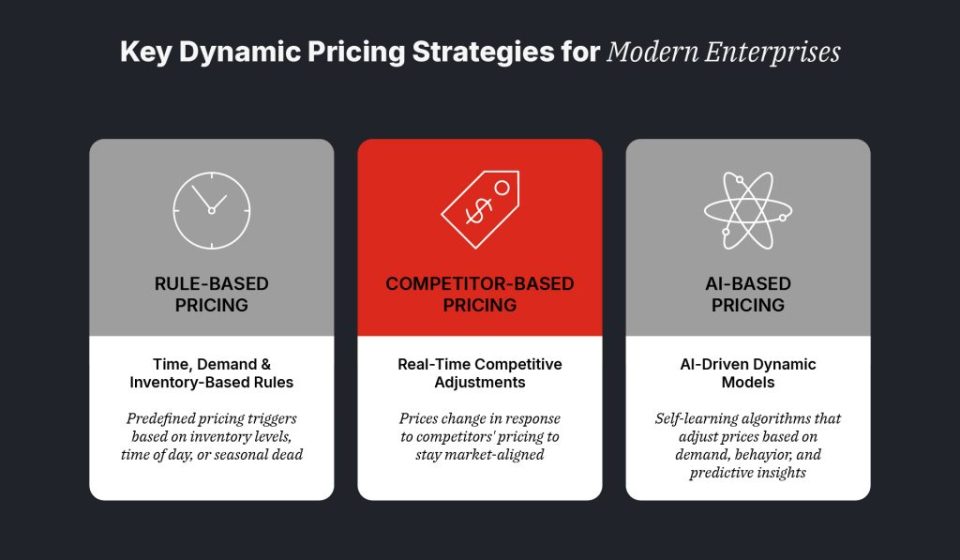
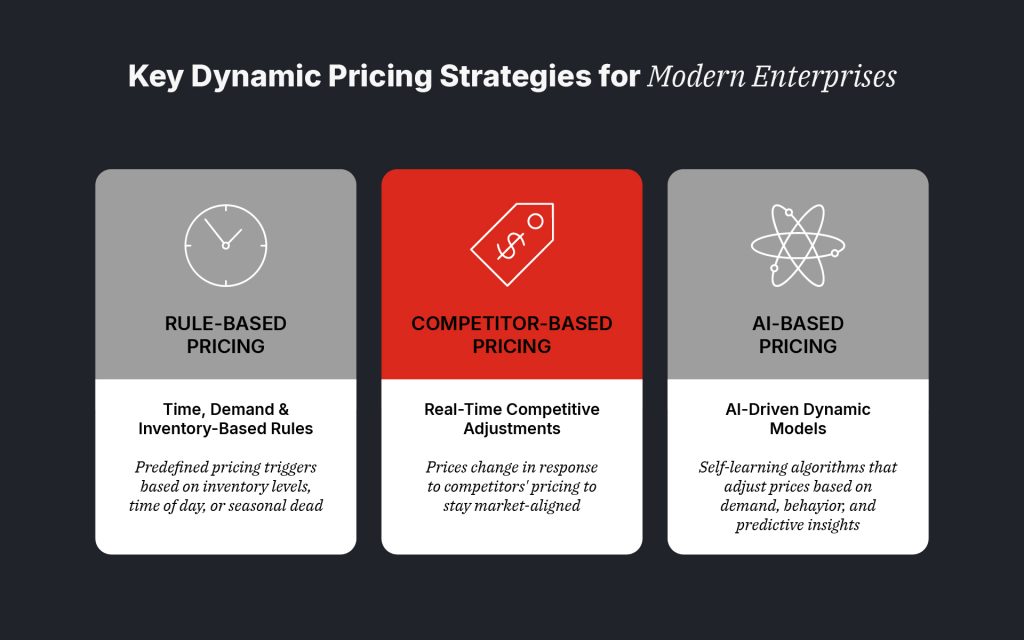
Dynamic pricing isn’t a one-size-fits-all approach. It manifests in several key ways, each tailored to different market conditions and business goals:
-
Demand-Based Pricing: This is perhaps the most well-known form. When demand is high, prices go up; when it’s low, prices drop. Think of surge pricing models for ride-sharing apps during rush hour or bad weather, or higher concert ticket prices for popular artists. Airlines and hotels are masters of this, constantly adjusting room rates and flight fares based on booking volume and time until departure.
-
Competitor-Based Pricing: In the highly competitive online retail space, businesses constantly monitor what their rivals are charging. Many e-commerce sites use tools to perform competitive pricing analysis and automatically adjust their prices to match, beat, or stay within a certain range of competitors. This keeps them attractive to price-sensitive customers.
-
Time-Based Pricing: This strategy leverages the time factor. Early bird discounts for events, last-minute deals on perishable goods (like unsold hotel rooms), or higher prices for popular products closer to a major holiday are all examples. The price changes based on how much time is left until a deadline or event.
-
Customer Segmentation and Personalized Pricing: Businesses can offer different prices or promotions to different groups of customers. A loyal customer might receive a special discount, while a new customer might get an introductory offer. This isn’t always about charging more; it’s about offering the right value to the right segment. While often referred to as personalized pricing, it’s more accurately about customer segmentation pricing, where groups of customers with similar behaviors or characteristics receive tailored offers.
-
Inventory-Based Pricing: This strategy is critical for businesses with limited or perishable inventory. Airlines need to fill every seat, and hotels every room. As inventory dwindles, prices might rise; if too much stock remains, prices might drop to clear it out. This is a core function of yield management software in many industries.
Who Benefits? The Advantages of Playing the Dynamic Game
When implemented effectively, a dynamic pricing strategy digital offers significant advantages for businesses, and sometimes even for customers.
For Businesses:
- Increased Revenue and Profit Margins: This is often the primary goal. By optimizing prices for every unique situation, businesses can capture more value. They can charge more when demand is high and stimulate demand with lower prices during off-peak times, ultimately leading to greater revenue optimization.
- Better Inventory Management: Dynamic pricing helps move inventory efficiently. If products aren’t selling, prices can drop to clear stock. If an item is in high demand, prices can increase to maximize profit before it sells out.
- Enhanced Competitive Edge: By constantly monitoring and reacting to competitor prices, businesses can remain agile and attractive to customers, making their e-commerce pricing strategy more robust.
- Deeper Customer Insights: The data collected for dynamic pricing provides invaluable insights into customer behavior, price sensitivity, and market trends, informing not just pricing but broader marketing and product development strategies.
- Adaptability to Market Changes: The ability to adjust prices quickly means businesses can respond to unforeseen events, economic shifts, or sudden changes in consumer preferences with agility, maintaining stability and profitability.
For Customers (Sometimes):
- Access to Better Deals: During off-peak hours or low-demand periods, customers can often snag products or services at a lower price than they would under static pricing.
- More Options and Availability: Dynamic pricing can help ensure products are available when needed, even if it means paying a premium. This prevents stockouts during peak demand by encouraging purchases earlier or later.
Navigating the Treacherous Waters: Challenges and Ethical Considerations
While the benefits are clear, dynamic pricing challenges are also significant. It’s not a silver bullet and requires careful consideration.
- Customer Perception and Trust: The biggest hurdle is often public perception. Customers can feel unfairly treated if they see prices fluctuating, especially if they perceive it as "price gouging." Surge pricing models often face criticism for this reason. Transparency, where possible, and clear communication can help mitigate this.
- Complexity and Implementation Hurdles: Setting up and managing a sophisticated dynamic pricing system requires robust technology, skilled data analysts, and a significant initial investment. Integrating these systems with existing platforms can be complex.
- Data Privacy Concerns: Collecting vast amounts of customer data raises questions about privacy. Businesses must be diligent about complying with data protection regulations and transparent about how they use customer information.
- The "Human Touch" Dilemma: While automation is key, there are times when human oversight is crucial. Algorithms might make decisions that seem logical but could harm customer loyalty or brand reputation. A balance between automation and human judgment is vital.
- Risk of Price Wars: Aggressive competitor-based dynamic pricing can sometimes lead to destructive price wars, where profit margins are eroded across the board.
Putting It Into Practice: Steps to Implement a Dynamic Pricing Strategy
If you’re considering adopting a dynamic pricing strategy digital, here’s a roadmap to help you get started:
- Define Your Goals Clearly: What do you want to achieve? Is it maximizing revenue, clearing inventory, gaining market share, or something else? Your goals will shape your strategy.
- Gather and Analyze Relevant Data: Identify all the data points that could influence your pricing. This includes sales history, website traffic, competitor prices, customer demographics, and external market factors. A strong pricing analytics platform is crucial here.
- Choose the Right Tools: Invest in automated pricing tools or yield management software that fit your business size and industry. There are many solutions available, from simple re-pricers to advanced AI-driven platforms. Don’t be swayed by buzzwords; focus on functionality.
- Start Small, Test, and Learn: Don’t overhaul your entire pricing structure overnight. Start with a few products or a specific market segment. Run A/B tests to see what works and what doesn’t. Learn from your results.
- Monitor and Adjust Continuously: Dynamic pricing isn’t a "set it and forget it" solution. You need to constantly monitor performance, analyze data, and refine your algorithms. The market is always changing, and your pricing strategy should too.
- Consider Communication and Transparency: For certain industries or significant price fluctuations, consider how you’ll communicate changes to your customers. Explaining why prices change (e.g., "fares are higher due to peak demand") can build trust, even for surge pricing models.
Real-World Stories: Where Dynamic Pricing Comes Alive
You encounter dynamic pricing more often than you think.
- Airlines and Hotels: These industries are the pioneers. Booking a flight months in advance is usually cheaper than booking last minute. Prices change based on seat availability, historical demand for that route, time of year, and even the day of the week you search. Hotels operate similarly, adjusting room rates based on occupancy forecasts, local events, and competitor prices. Their use of yield management software is legendary.
- E-commerce Retailers: Amazon is a prime example. Its prices can change every few minutes for millions of products, responding to competitor actions, sales velocity, and even the time of day. Many smaller e-commerce pricing strategy implementers also use dynamic tools to stay competitive.
- Ride-Sharing Apps: Uber and Lyft made surge pricing models famous (or infamous). When demand for rides outstrips the supply of drivers, prices temporarily increase to encourage more drivers to come online and to manage rider expectations.
- Event Ticketing: Prices for concerts, sports events, and theater shows often change based on demand, artist popularity, seat location, and how close it is to the event date. Prime seats for a highly anticipated show will see prices escalate quickly.
The Future Is Now: What’s Next for Digital Pricing
The evolution of dynamic pricing strategy digital is far from over. We can expect even more sophisticated approaches as technology advances. More data sources, from social media sentiment to predictive weather patterns, will be integrated into pricing algorithms. There will be an increasing focus on hyper-personalization, delivering truly unique offers to individual customers based on their specific behaviors and perceived value. However, this will need to be balanced with ethical considerations and robust data privacy frameworks.
The line between traditional pricing and dynamic pricing will blur even further, with real-time adjustments becoming the standard across most digital transactions. Businesses that embrace and master these strategies will be best positioned to thrive in an ever-changing market, maximizing their value and customer satisfaction alike.
In essence, understanding and implementing dynamic pricing is no longer just an advantage; it’s becoming a fundamental necessity for any business operating in the digital landscape. It’s about being smart, being flexible, and always being ready to meet the market where it is, right now.