The Art of Now: Mastering Real-Time Marketing Strategies for Unforgettable Customer Connections

The Art of Now: Mastering Real-Time Marketing Strategies for Unforgettable Customer Connections
Imagine a bustling marketplace, a vibrant street fair where sellers shout their wares and buyers haggle. Now, imagine a seller who doesn’t just shout, but listens. They hear a customer mention their child is hungry and instantly offers a fresh, warm pastry. They see someone admiring a colorful scarf and quickly points out a matching hat. This isn’t just selling; it’s connecting, understanding, and acting in the moment. That’s the essence of real-time marketing – the digital equivalent of that quick-witted seller, transforming fleeting moments into lasting customer relationships. It’s about being present, paying attention, and responding right when it matters most.
For a long time, marketing felt like a slow, deliberate dance. You’d plan campaigns months in advance, launch them, and then wait to see the results. But the world sped up. Social media made conversations instant. Our phones brought everything to our fingertips. Customers now expect immediate answers, personalized experiences, and brands that "get" them. This shift created a massive opportunity, a new playing field where quick thinking and genuine interaction win the game. This is where a well-crafted real-time marketing strategy truly shines, allowing businesses to connect with people when their interest is piqued, their need is fresh, or a conversation is happening right now.
Why the "Now" Matters More Than Ever Before
Think about your own digital life. How often do you scroll through social media? How quickly do you expect a response when you send a message to a brand? In this age of instant gratification, our attention spans are shorter, and our expectations for relevance are sky-high. If a brand waits too long to join a conversation or offer help, the moment is lost. The customer moves on.
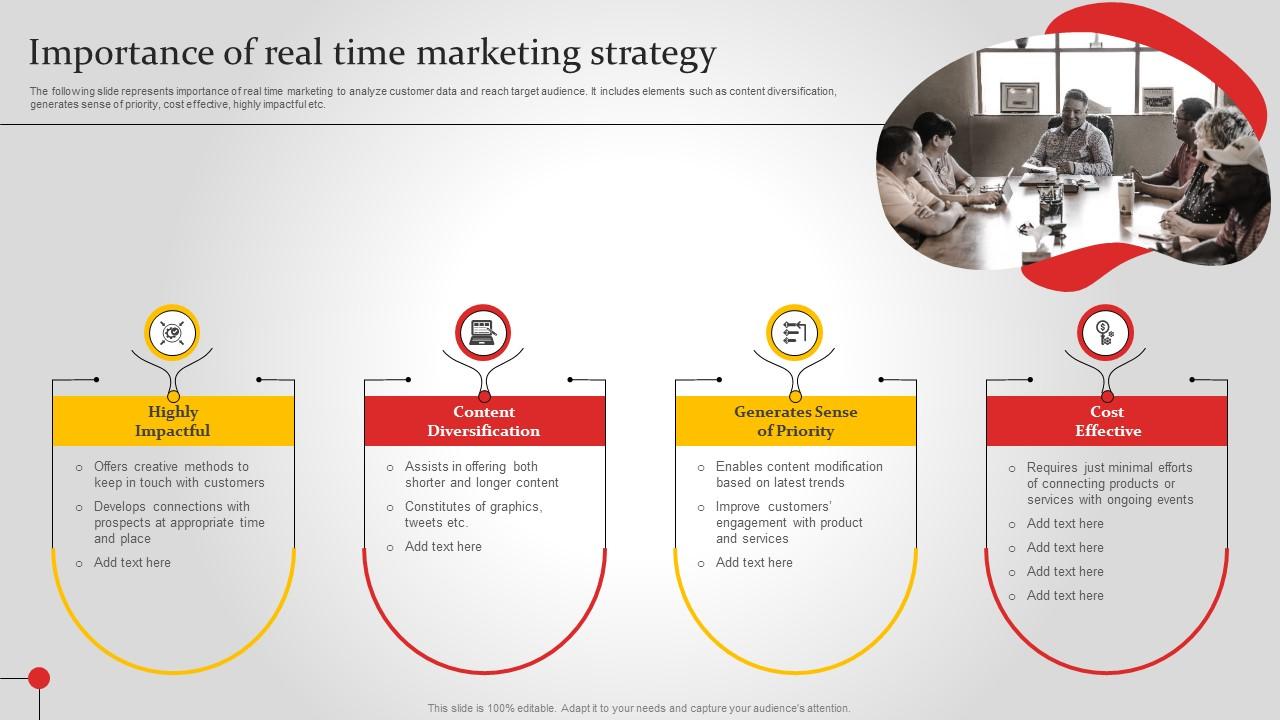
Real-time marketing isn’t just a trend; it’s a fundamental change in how we talk to our customers. It’s about making data-driven marketing decisions at lightning speed, using information you gather right then and there to deliver content, offers, or support that feels tailor-made. It’s the difference between sending a generic email blast and sending a helpful suggestion precisely when someone needs it. This approach helps create personalized marketing strategies that genuinely resonate.
The Pillars of Instant Success: What Makes Real-Time Marketing Work
Building a marketing approach that moves at the speed of life requires a few key ingredients. Think of them as the fundamental components that allow you to be present and effective in the moment.
-
Sharp Ears: Listening and Monitoring
Before you can respond in real-time, you need to know what’s happening. This means constantly listening across various channels. Social media listening tools scan conversations for mentions of your brand, industry keywords, and even trending topics. Website analytics show you what visitors are doing on your site right now. Customer service interactions provide immediate feedback. These tools give you the insights needed for instant customer feedback and allow you to react proactively. It’s like having radar that constantly sweeps for opportunities. -
Nimble Feet: Agility and Speed
Once you hear something, you need to be able to act fast. This isn’t just about technology; it’s about your team and your processes. Can your marketing team quickly create a new social media post? Can your customer service team respond to a query within minutes? Agile marketing frameworks are all about being flexible, adaptable, and ready to pivot. It means less red tape and more empowerment for teams to make quick, smart decisions. Waiting for layers of approval means missing the moment. -
A Keen Eye: Relevance and Context
Speed without relevance is just noise. The real magic of real-time marketing comes from delivering the right message at the right time, in the right place. This is where contextual advertising platforms and hyper-personalization marketing come into play. If someone is browsing winter coats on your site, sending them an ad for summer swimwear isn’t relevant, no matter how fast you send it. But showing them a discount on a specific coat they viewed, or suggesting matching gloves, is incredibly powerful. Understanding the context of their interaction is everything. -
A Warm Handshake: Personalization
Nobody wants to feel like just another number. Real-time marketing excels at making customers feel seen and understood. This means using the data you gather about their behavior, preferences, and current situation to tailor your communication. Think about a retail site that greets you by name and shows you products based on your recent searches, or a streaming service that suggests a movie based on what you just finished watching. This is personalized customer experience at its best, often powered by dynamic content delivery that adapts based on who is viewing it.
When to Jump In: Prime Opportunities for Real-Time Marketing
The beauty of real-time marketing is its versatility. There are countless moments when a quick, relevant response can make a huge difference.
-
Social Media Sparks: This is often the first place people think of. A trending hashtag, a viral meme, a major event (like the Super Bowl or the Oscars), or even just a customer mentioning your brand – these are all chances to engage. Brands that jump into relevant conversations quickly and wittily can gain massive visibility and build rapport. Remember Oreo’s famous "Dunk in the Dark" tweet during the Super Bowl blackout? That’s real-time marketing brilliance. It’s a perfect example of how social media real-time marketing can capture attention.
-
The Customer Journey Crossroads: Every step a customer takes with your brand offers a real-time opportunity.
- Website Browsing: If someone spends a long time on a product page but doesn’t buy, a real-time pop-up offering a discount or free shipping might seal the deal.
- Abandoned Carts: Sending a polite reminder email about items left in a shopping cart within an hour can significantly boost conversions. This is a classic event-driven marketing automation scenario.
- Customer Support: A customer reaches out with a question. A quick, accurate, and empathetic response in real-time can turn frustration into loyalty. Even better, anticipating their needs with proactive customer service before they even ask.
- Post-Purchase: A personalized "thank you" or a suggestion for a complementary product based on their recent purchase can enhance their experience and encourage repeat business.
-
Breaking News & Current Events: Sometimes, the world offers a moment. A brand that can tastefully and relevantly connect itself to a major news story or cultural event can stand out. The key here is tasteful and relevant – authenticity is paramount, and exploiting a serious event for profit can backfire spectacularly.
-
Location-Based Triggers: Thanks to smartphones, you can engage with customers based on where they are. If someone walks near your store, a push notification about a special offer might draw them in. This is a powerful aspect of mobile real-time marketing, allowing for truly local and immediate engagement.
-
Live Events & Conferences: At a trade show or a live concert, brands can engage attendees through interactive polls, live Q&A sessions, or exclusive content delivered instantly. These live interaction marketing techniques create a buzz and a memorable experience.
Building Your Real-Time Marketing Machine: Tools and Talent
Making real-time marketing a core part of your business isn’t just about good intentions; it requires the right setup.
-
The Right Tools: You don’t need a massive, expensive system overnight, but certain technologies make real-time easier.
- CRM (Customer Relationship Management) Systems: These house all your customer data, making it accessible for personalized interactions.
- Social Listening Platforms: These are essential for monitoring conversations and identifying opportunities on social media.
- Marketing Automation Tools: These can trigger automated responses based on customer actions (like an abandoned cart email or a welcome message for a new subscriber). These are crucial for successful marketing automation tools implementation.
- Real-time Analytics Dashboards: These give you an immediate view of what’s happening on your website, app, or social channels, allowing for quick adjustments.
- Content Management Systems (CMS): A flexible CMS allows you to quickly update website content or create new landing pages for real-time campaigns.
-
The Right Team and Culture: Technology is only as good as the people using it.
- Empowered Teams: Your marketing, sales, and customer service teams need the authority and training to make quick decisions without constant managerial oversight.
- Cross-Functional Collaboration: Real-time marketing blurs the lines between departments. Marketing might need to work closely with customer service for a quick response, or with product development to address feedback instantly.
- A Culture of Experimentation: Not every real-time response will be a home run. Companies need to be comfortable trying new things, learning from what works and what doesn’t, and adjusting quickly. This embodies an agile marketing framework.
-
Data as Your Fuel: Real-time decisions are only as good as the data powering them. This means collecting relevant customer data ethically and having systems in place to analyze it quickly. Understanding past behavior helps predict future needs, allowing for proactive, real-time interventions. This constant flow of information fuels effective real-time marketing campaigns.
-
Content That Moves Fast: Creating high-quality content quickly is a challenge. It might mean having templates ready, a library of approved images and videos, or a content team that can turn around short, engaging pieces in a matter of minutes or hours. Often, real-time content is less about polished production and more about authenticity and speed.
Stories from the Real-Time Trenches: When It All Comes Together
Let’s look at some classic examples that illustrate the power of real-time marketing:
-
Oreo’s "Dunk in the Dark": During the 2013 Super Bowl, a power outage plunged the stadium into darkness. Within minutes, Oreo tweeted an image of an Oreo cookie in the dark with the caption, "You can still dunk in the dark." It was simple, witty, and perfectly timed, generating huge buzz and becoming a legendary example of instant engagement marketing.
-
Arby’s and Pharrell’s Hat: At the 2014 Grammy Awards, musician Pharrell Williams wore a unique, oversized hat that instantly became a meme. Arby’s, known for its distinctive hat logo, quickly tweeted, "Hey @Pharrell, can we have our hat back? #GRAMMYs." Pharrell himself responded, leading to an even bigger viral moment for Arby’s. This showed how social media real-time marketing can leverage pop culture.
-
JetBlue’s Proactive Service: A passenger once tweeted to JetBlue complaining about a flight delay and how he couldn’t get his favorite coffee. JetBlue saw the tweet, located his flight, and arranged for a barista to meet him at his gate with his preferred coffee. This incredible act of proactive customer service turned a negative experience into a powerful story of brand loyalty.
These stories aren’t just about being fast; they’re about being relevant, understanding the moment, and delivering value or humor exactly when it resonates most.
Common Pitfalls and How to Dodge Them
While powerful, real-time marketing isn’t without its challenges.
- Being Irrelevant or Insensitive: The biggest risk is jumping into a conversation or event without truly understanding it. A misjudged joke or an attempt to capitalize on a serious situation can cause massive brand damage. Always prioritize empathy and relevance.
- Too Slow, Too Late: The opposite problem. If your process for approving and publishing content is too cumbersome, the moment will pass, and your real-time effort will feel forced and out of date.
- Over-Automation vs. Human Touch: While automation is key for speed, some interactions demand a genuine human response. Finding the right balance prevents your brand from sounding robotic.
- Data Overload: Having too much data without the ability to analyze it quickly and turn it into actionable insights can be paralyzing. Focus on the most important metrics that drive immediate decisions.
- Lack of Resources: Real-time marketing requires dedicated team members who are constantly monitoring and ready to act. If your team is already stretched thin, adding real-time efforts without proper resources can lead to burnout and poor execution.
Measuring Your Instant Impact
How do you know if your real-time efforts are paying off? You track metrics that reflect immediate engagement and sentiment.
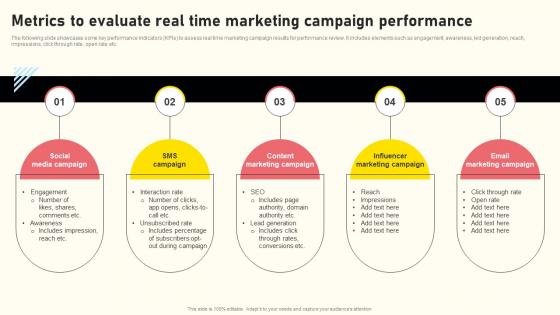
- Engagement Rates: For social media, this means likes, shares, comments, and retweets.
- Website Conversions: Did that real-time pop-up lead to a purchase? Did the abandoned cart email bring a customer back?
- Sentiment Analysis: What are people saying about your brand in response to your real-time efforts? Is it positive, negative, or neutral?
- Brand Mentions and Reach: Are more people talking about your brand? Are your messages reaching a wider audience?
- Response Times: For customer service, how quickly are you addressing inquiries?
These metrics help you refine your omnichannel real-time marketing approach and ensure your efforts are effective across all platforms.
The Road Ahead: What’s Next for Real-Time Marketing
The "now" is constantly evolving, and so too will real-time marketing. We can expect to see even deeper levels of personalization, driven by more sophisticated predictive analytics marketing that anticipates customer needs before they even express them. Artificial intelligence (AI) will play an increasing role, not by replacing human creativity, but by helping marketers process vast amounts of data faster, identify patterns, and suggest real-time responses.
Voice search and augmented reality (AR) are also opening new doors. Imagine a customer asking their smart speaker a question, and your brand providing an instant, helpful, and personalized answer. Or an AR app that offers real-time product information as a customer walks through a store. The future promises even more immersive and instantaneous ways to connect.
A Final Word on the Art of Now
Real-time marketing isn’t about being everywhere, all the time, saying everything. It’s about being smart, being relevant, and being human. It’s about building genuine connections by showing up exactly when your customers need you, want to talk to you, or are simply engaging with the world around them. It’s a dynamic, exciting way to bring your brand to life and foster relationships that are not just fleeting, but truly unforgettable. By mastering the art of now, businesses can create real-time marketing campaigns that stand out, resonate deeply, and drive lasting success.