
Unlocking Tomorrow’s Customers Today: The Art of Predictive Customer Segmentation
Imagine you own a bustling coffee shop. Every morning, a diverse stream of faces flows through your doors. There’s Sarah, who always orders a double espresso, grabs a croissant, and rushes off to work. Then there’s Mark, who lingers with his latte and a book, sometimes ordering a second cup. And young Emily, who comes in with friends after school, giggling over iced teas and cookies.
For years, you’ve probably categorized them in your head: "the regulars," "the students," "the quick grab-and-go." It’s a basic form of customer segmentation, right? You might even start remembering their usual orders. But what if you knew, before Mark even decided, that he was contemplating trying your new gourmet sandwich? Or that Sarah, despite her routine, was actually quite likely to switch to the competitor down the street next month if you didn’t offer her a small loyalty perk?
That’s the fundamental shift we’re talking about with predictive customer segmentation. It’s moving beyond simply knowing who your customers are right now, to understanding who they will be, what they will want, and what they will do in the future. It’s like having a friendly, data-powered crystal ball that helps you serve each person not just better, but perfectly.
The Old Way: A Snapshot in Time
Traditional customer segmentation is incredibly useful, don’t get me wrong. It slices your customer base into groups based on shared characteristics: demographics (age, location), psychographics (interests, lifestyle), or past behavior (what they bought, how often). It’s like taking a photograph. You see who’s there, what they’re doing at that moment.
But a photograph is static. It tells you nothing about where those people are going next, or how their tastes might change. In today’s fast-paced world, customer behavior is fluid, influenced by a million tiny interactions, trends, and personal moments. Relying solely on past data is like driving by looking only in the rearview mirror – you’ll miss the turns ahead.
This is where the "predictive" part comes in. We’re not just observing; we’re forecasting. We’re using sophisticated analysis to anticipate future actions, needs, and preferences. It’s about building a living, breathing understanding of your customers that evolves with them.
Peeking into Tomorrow: What Exactly is Predictive Customer Segmentation?
At its core, predictive customer segmentation uses historical data, combined with powerful analytical techniques (often involving machine learning, but don’t let that jargon scare you – think of it as super-smart pattern recognition), to group customers based on their likely future behavior.
Instead of just grouping customers who have bought a certain product, we group customers who are likely to buy a certain product next. Instead of identifying customers who have spent a lot, we identify those who are likely to become high-value customers or those at risk of leaving.
Think of it like being a master gardener. You don’t just categorize your plants by their current size or color. You know which plants need more water next week because of the coming heatwave, which ones are about to bloom, and which ones might be susceptible to a particular pest. You act proactively based on future predictions, ensuring each plant thrives. That’s what predictive segmentation does for your business: it helps you nurture each customer segment with foresight.
The Secret Sauce: How It Works Its Magic
So, how does this crystal ball actually work? It’s not magic, but it feels pretty close. It involves a few key ingredients:
-
Gathering the Clues: Your Data Treasure Chest
Every interaction a customer has with your business leaves a trail. Purchases, website visits, email clicks, app usage, customer service calls, social media engagement – it’s all data. The more comprehensive and clean this data, the better. This is your raw material. It’s not just what they bought, but when, how often, how much they spent, what they looked at but didn’t buy, and even how long they lingered on a page. This wealth of information is the foundation for any successful data-driven decision. -
Building the Crystal Ball: Predictive Modeling
Here’s where the smart algorithms come into play. These aren’t human brains, but they are incredibly good at finding patterns that we might miss. They look at all that historical data and build mathematical models to understand the relationships between different customer behaviors and outcomes.- Churn Prediction: They might identify that customers who haven’t opened an email in three weeks and haven’t made a purchase in two months are 70% likely to leave in the next 30 days.
- Customer Lifetime Value (CLV) Forecasting: They can estimate how much a customer is likely to spend with your business over their entire relationship. This is gold for understanding your true customer worth.
- Next Best Offer: They can predict which product or service a customer is most likely to be interested in next, based on their past actions and the actions of similar customers.
These models learn from the past to forecast the future. They’re constantly refined, getting smarter with every new piece of data. This isn’t just about identifying trends; it’s about quantifying probabilities.
-
Understanding the Whispers: Interpretation and Action
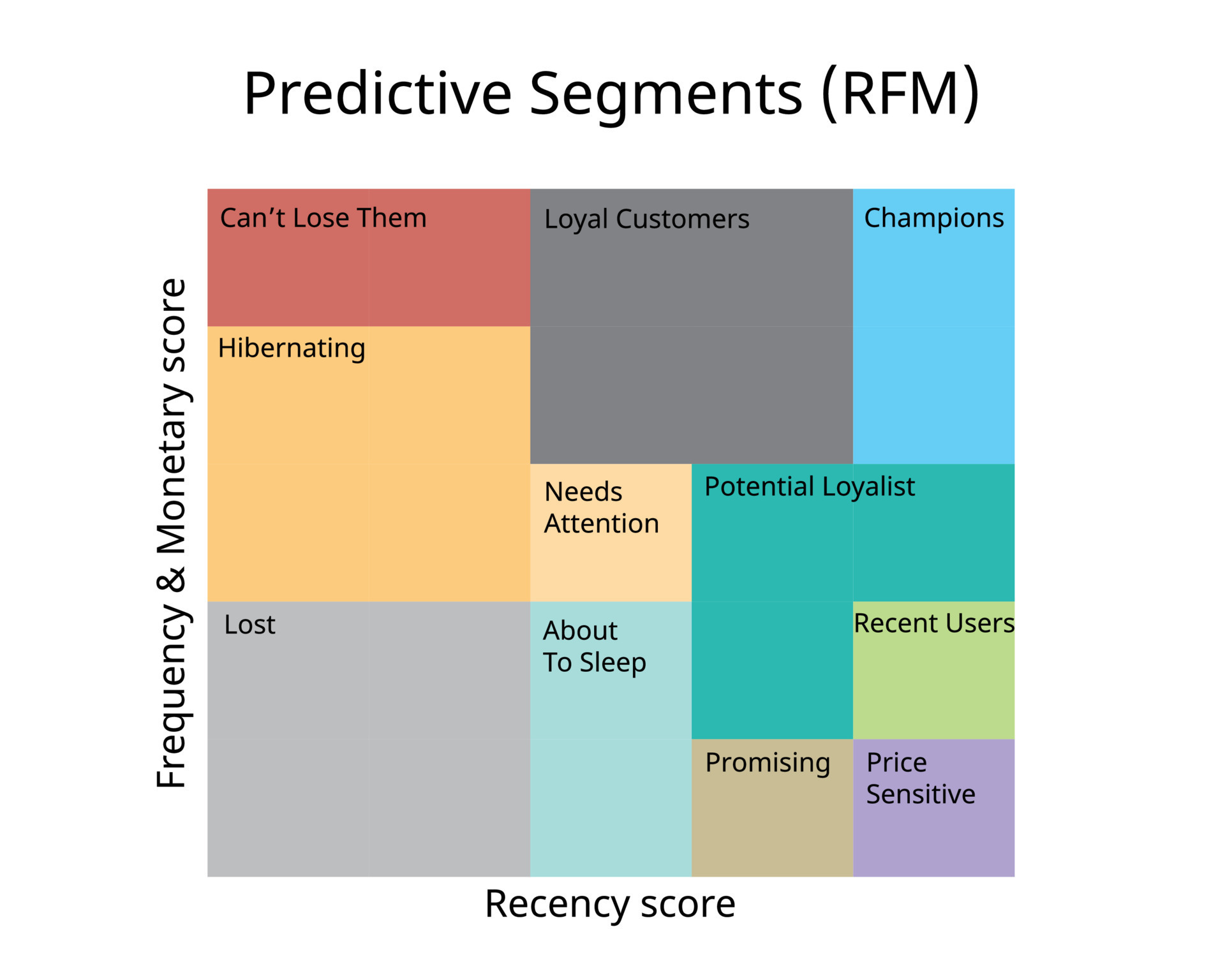
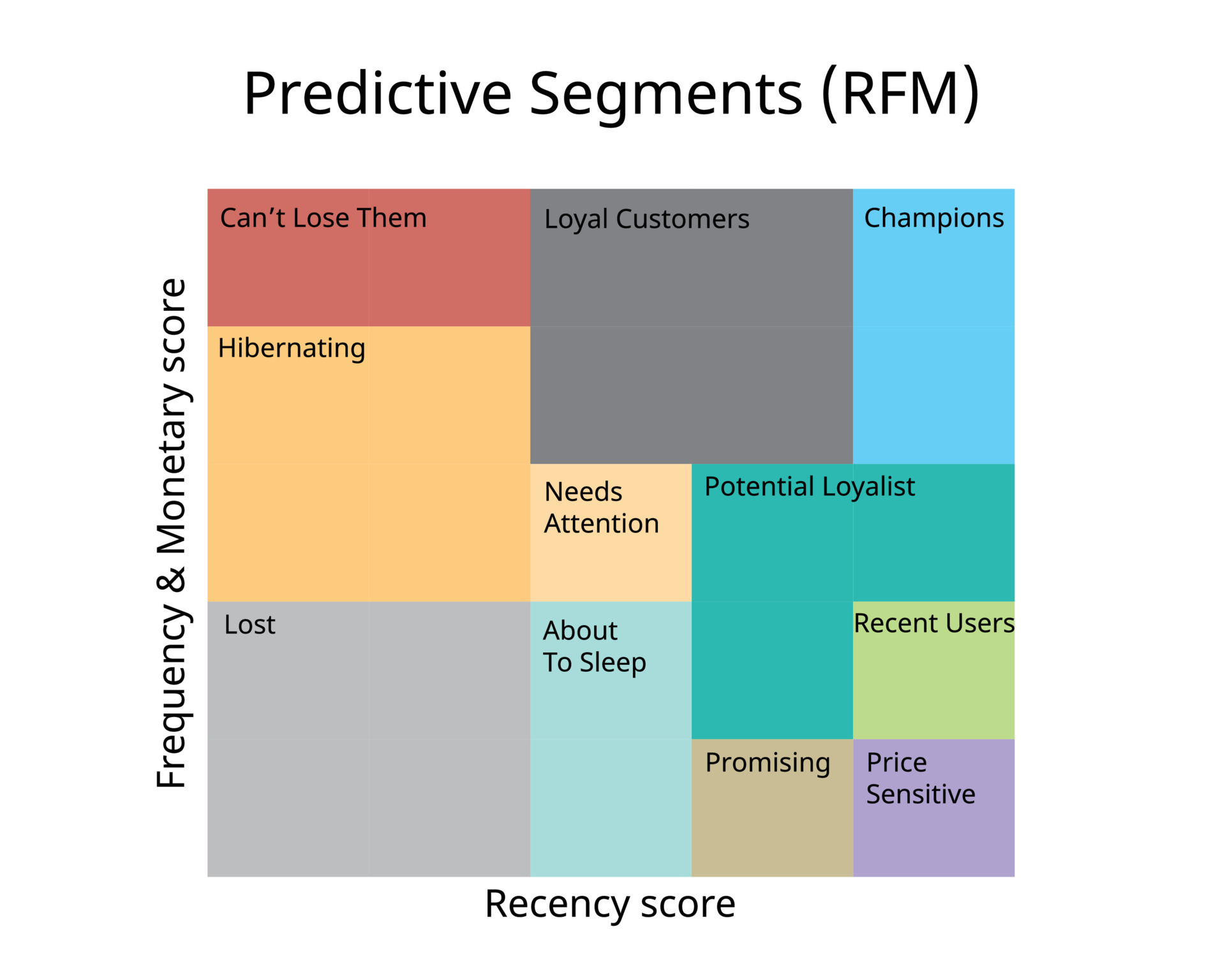
Once the models have done their work, the real power comes from interpreting these insights and turning them into actionable strategies. The segments aren’t just lists of names; they come with probabilities and recommended actions.- "Segment A: High-value, loyal, but susceptible to competitor offer in the next quarter." -> Action: Proactive loyalty program engagement, exclusive early access to new products.
- "Segment B: New customers, high potential, but unsure how to use product." -> Action: Personalized onboarding sequence, tutorial videos, dedicated support check-ins.
- "Segment C: At risk of churn, low engagement, last purchase three months ago." -> Action: Re-engagement campaign with a compelling offer, survey to understand pain points.
This isn’t about guesswork anymore; it’s about informed, precise intervention.
Why It Matters: The Real-World Impact on Your Business
Adopting predictive customer segmentation isn’t just a fancy tech trend; it’s a strategic imperative for any business looking to thrive in a competitive landscape. The benefits ripple across every facet of your operations:
-
Boosting Customer Lifetime Value (CLV): The Long Game
Knowing a customer’s potential CLV allows you to invest appropriately. You can identify your most valuable customers (or those with the highest potential to become valuable) and prioritize efforts to retain and grow them. Imagine knowing exactly which customers are worth a premium service or a dedicated account manager. This focus helps you maximize revenue over the long haul, rather than just chasing immediate sales. -
Waving Goodbye to Churn: Proactive Retention
One of the most powerful applications is churn prediction. It costs far more to acquire a new customer than to keep an existing one. Predictive models can flag customers who are showing early warning signs of leaving before they actually do. This gives you a crucial window to intervene with targeted retention strategies – a personalized offer, a helpful support call, or an exclusive benefit – effectively saving valuable customer relationships and safeguarding your revenue. -
Crafting Messages That Resonate: True Personalized Marketing
Forget generic email blasts. With predictive segmentation, you can deliver personalized marketing messages that speak directly to each segment’s predicted needs and preferences. If a segment is likely to be interested in a specific product feature, your ads can highlight that. If another segment is price-sensitive, you can tailor promotions accordingly. This hyper-relevance leads to higher engagement rates, better conversion rates, and a stronger emotional connection with your brand. It’s about sending the right message, to the right person, at the right time, through the right channel. -
Smart Spending: Optimizing Marketing Budgets
Why waste marketing dollars on customers who are unlikely to convert or those who are already loyal without intervention? Predictive segmentation helps you allocate your marketing budget much more efficiently. You can focus your high-impact, costly campaigns on segments that need them most or are most likely to respond, leading to a much better return on investment (ROI) for your marketing spend. This is the essence of marketing strategy powered by intelligence. -
Innovating Products and Services: Meeting Future Needs
By understanding what different customer segments are likely to want or need in the future, you can proactively develop new products and services. Imagine identifying a segment of customers who are increasingly interested in eco-friendly options, even if they haven’t explicitly asked for them yet. This foresight allows you to be a market leader, not just a follower, by aligning your offerings with emerging demand. -
Elevating the Customer Experience (CX): Building Loyalty
Ultimately, predictive segmentation allows you to anticipate and meet customer needs, often before they even realize them. This level of foresight creates a seamless, highly relevant, and deeply satisfying customer experience (CX). When customers feel understood and valued, their loyalty deepens, turning them into advocates for your brand. This isn’t just good for business; it builds genuine relationships.
From Theory to Practice: Getting Started on Your Predictive Journey
Sound exciting? It is! But how do you actually get started? It might seem daunting, but it’s a journey, not a single leap.
-
The Right Tools for the Job: Embrace Technology
You don’t need to build a supercomputer. Many modern market segmentation software solutions and CRM analytics platforms now incorporate predictive capabilities. Look for tools that can integrate with your existing data sources, offer intuitive dashboards, and provide actionable insights. Cloud-based solutions have made these powerful tools accessible to businesses of all sizes. They automate much of the complex number-crunching, allowing you to focus on the strategic implications. -
Building Your Dream Team: It’s Not Just About Tech
While technology is crucial, people are just as important. You’ll need a mix of skills:- Data Savvy: Someone who understands your data, its quality, and how to prepare it.
- Analytical Minds: People who can interpret the results of the predictive models and translate them into business opportunities.
- Marketing & Strategy Experts: Individuals who can design and implement campaigns based on the segment insights.
- Leadership Buy-in: Crucially, your leadership team needs to understand the value and commit to a data-driven approach.
-
A Step-by-Step Journey: Start Small, Think Big
Don’t try to predict everything at once. Start with a clear business problem:- "We want to reduce churn by 10% in the next year."
- "We want to increase the conversion rate of our newest product."
- "We want to identify our top 5% most valuable customers and build a special program for them."
Choose one specific goal, gather the relevant data, build a simple predictive model, test your actions on a small segment, learn, and iterate. This iterative approach allows you to build confidence and refine your processes over time. Focus on generating clear, measurable results that demonstrate the value of your efforts.
Navigating the Road Ahead: Challenges and Considerations
While the benefits are immense, the path to predictive segmentation isn’t without its bumps:
-
Data Quality is King: "Garbage in, garbage out." If your data is incomplete, inaccurate, or inconsistent, your predictions will be flawed. Investing in data governance, cleansing, and integration is paramount.
-
Ethical Considerations and Privacy: Using customer data comes with a great responsibility. Be transparent about how you collect and use data, ensure compliance with privacy regulations (like GDPR or CCPA), and always prioritize customer trust. The goal is to enhance their experience, not exploit their information.
-
Keeping Up with Change: Customer behavior isn’t static. Your predictive models need to be continuously monitored, updated, and retrained to reflect new trends, market shifts, and evolving customer preferences. This is an ongoing process, not a one-time setup.
The Future is Now: What’s Next for Predictive Segmentation?
The field of predictive analytics is constantly evolving. We’re seeing advancements in real-time segmentation, where customer segments can dynamically shift based on immediate interactions. The integration with augmented reality, voice interfaces, and even emotional AI (analyzing sentiment from text or voice) promises even deeper, more nuanced understanding of customer intent.
For businesses, this means the opportunity to create truly hyper-personalized, almost telepathic customer experiences that build incredible loyalty and drive sustained growth. It’s about moving beyond reacting to customer behavior, and instead, proactively shaping the customer journey in a way that benefits both the customer and the business.
Embrace the Future, Understand Your Customers
In a world overflowing with choices and distractions, the ability to truly understand and anticipate your customers’ needs is your most potent competitive advantage. Predictive customer segmentation isn’t just a technological marvel; it’s a profound shift in how businesses relate to the people they serve. It’s about moving from broad strokes to intricate detail, from reactive responses to proactive engagement.
By harnessing the power of your data and embracing predictive intelligence, you’re not just segmenting customers; you’re building stronger relationships, optimizing every interaction, and quite literally, unlocking tomorrow’s customers today. It’s an investment that pays dividends in loyalty, efficiency, and sustained success. So, are you ready to look into your business’s crystal ball? The future of your customer relationships awaits.