
Bringing Back the Echo: A Journey Through Customer Reactivation Strategy
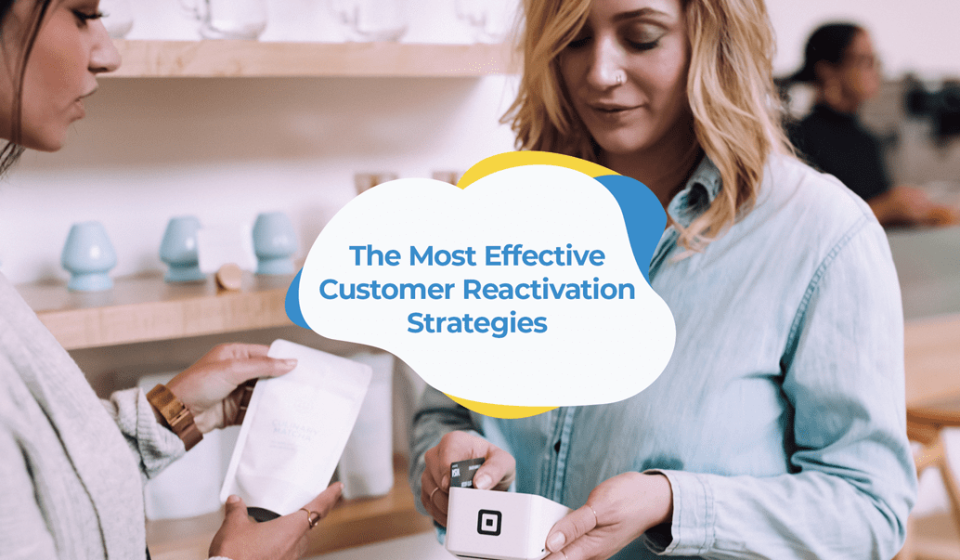
Imagine a bustling town square, vibrant with chatter and commerce. Every day, new faces arrive, drawn by the promise of discovery. But what about the familiar faces who once frequented your stall, laughed at your jokes, and bought your wares, but haven’t been seen in a while? They haven’t vanished into thin air; they’ve simply… drifted. This isn’t just a quaint marketplace analogy; it’s the reality for every business, big or small. Customers, for myriad reasons, become inactive. The art of bringing them back, rekindling that spark, is what we call customer reactivation strategy – a powerful, often underestimated pathway to sustainable growth and a treasure trove of customer retention solutions.
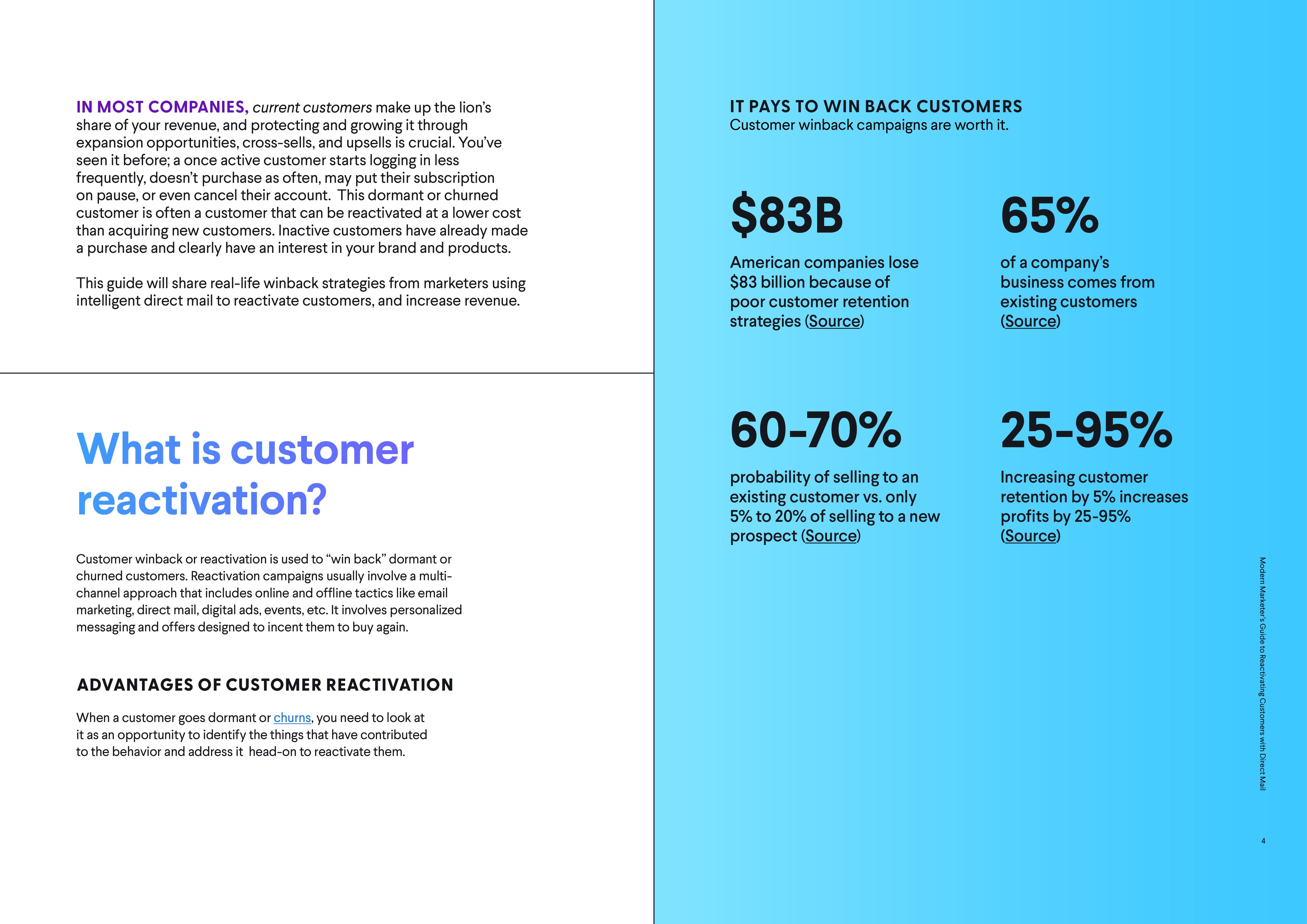
For years, the business world has been obsessed with finding new customers. The thrill of the chase, the joy of a fresh sale, it’s undeniably exciting. But what if I told you there’s an even more potent source of growth, often right under your nose, waiting to be rediscovered? Re-engaging with a past customer costs significantly less than acquiring a brand new one. Think about it: they already know you, they’ve trusted you before, and they’ve likely invested time or money with your brand. The barrier to re-engagement is much lower than building trust from scratch. This makes win-back campaigns not just smart, but essential for any business aiming for long-term success and a healthy customer lifetime value. It’s about nurturing existing relationships, preventing churn, and maximizing the potential of your existing customer base.
The Silent Departure: Why Customers Drift Away
Before we can bring them back, we need to understand why they left. It’s rarely a dramatic exit; more often, it’s a slow fade. Perhaps they found a competitor offering a slightly different service, or their needs changed. Maybe they had a less-than-stellar experience they never bothered to report, or they simply forgot about you amidst the digital noise. Sometimes, it’s just the natural ebb and flow of life. Identifying these reasons is the first crucial step in any effective customer reactivation strategy. This involves a bit of detective work, diving into customer behavior analysis tools and, when possible, directly asking through customer feedback surveys. Were there pain points they encountered? Did our value proposition become less compelling for them? Understanding the "why" allows us to tailor our approach, making our efforts far more impactful than a generic "we miss you" message.
Finding the Faded Footprints: Identifying Inactive Customers
You can’t reactivate someone if you don’t know who they are. The journey begins with segmenting your customer base to pinpoint those who have gone dormant. What constitutes "inactive" depends on your business. For an e-commerce store, it might be someone who hasn’t purchased in 90 days. For a SaaS company, it could be a user who hasn’t logged in for a month. Define your inactivity threshold clearly. Look at metrics like last purchase date, last login, last interaction with your content or support. Tools for customer segmentation can help you filter these groups effectively. Once identified, these are the individuals ripe for a thoughtful, personalized approach. This isn’t about shaming them for leaving; it’s about extending an invitation to return, showing them you still care and have something valuable to offer.
The Grand Re-Invitation: Crafting Your Reactivation Strategy
Now, for the exciting part: bringing them back. This isn’t a one-size-fits-all endeavor. It requires a multi-faceted approach, tailored messages, and a genuine desire to rebuild rapport.
Phase 1: The Gentle Nudge – "We Miss You" with a Purpose
The initial outreach should be polite, personal, and offer a clear reason to re-engage. Forget generic blasts. Personalized marketing campaigns are the cornerstone here.
- The Power of Email: Email reactivation templates are your best friend. Start with a warm, friendly tone. "It’s been a while, and we’ve missed you!" or "Remember us? Here’s what’s new." Don’t just ask them to come back; give them a compelling reason.
- Offer Value: This could be a special discount ("15% off your next purchase as a welcome back gift"), an exclusive preview of a new product or feature, or even a free resource related to their past interests. The key is to make them feel valued, not just like another number.
- Highlight Improvements: Did you fix a common complaint? Launch a highly requested feature? Share it! "We heard your feedback about X, and we’ve just rolled out Y to make things even better." This shows you listen and evolve.
- Remind Them of Past Value: What did they love about you before? A subtle reminder of the benefits they once enjoyed can jog their memory and reignite interest.
- Beyond Email – SMS & Push Notifications: For customers who opted in, a concise SMS marketing for retention message can be incredibly effective. "Hey , it’s . We noticed you haven’t visited in a while. Here’s a special offer just for you: ." Push notifications for app users can also serve as a gentle reminder, perhaps highlighting a new app feature or a limited-time deal.
Phase 2: Re-engaging with Substance – Beyond the Discount
While a discount might get their attention, sustained re-engagement requires more than just price cuts. You need to remind them of your core value proposition and demonstrate why you’re still the best choice.
- Showcase What’s New and Improved: Businesses evolve. Maybe you’ve expanded your product line, refined your services, or enhanced your customer support. Use this opportunity to educate them on these improvements. Share success stories from other customers. Content marketing for retention can play a huge role here – blog posts, video tutorials, or infographics demonstrating the enhanced value.
- Offer Solutions, Not Just Products: If you know why they left (e.g., product complexity), offer them a solution. "Having trouble with ? We’ve created new, easy-to-follow tutorials!" or "Struggling to achieve ? Our new premium support can help." Frame your outreach around solving their problems.
- Build Community: For some businesses, fostering a sense of community can be a powerful draw. Invite inactive customers to exclusive webinars, online forums, or local events. This isn’t about selling; it’s about connection and showing them they’re part of something bigger. Customer engagement strategies that focus on interaction rather than transaction often yield the best long-term results.
Phase 3: The Listening Ear – Acknowledging Their Experience
Sometimes, the best way to bring someone back is simply to listen. Implement a feedback loop system that allows inactive customers to tell you why they left or what would entice them to return.
- Direct Feedback Surveys: A short, anonymous survey specifically for inactive customers can provide invaluable data. Ask questions like: "What was your main reason for leaving?" "What could we do to improve your experience?" "What would make you consider returning?" Use tools for customer satisfaction surveys to gather these insights efficiently.
- Personal Outreach (for High-Value Customers): For customers with high customer lifetime value, a direct phone call or a personalized email from a customer success manager can be incredibly impactful. A human touch, a genuine conversation, can uncover issues that automated surveys might miss. This data-driven customer insights approach helps you tailor future offers and even improve your core service.
Phase 4: Multi-Channel Mastery – Meeting Them Where They Are
Don’t put all your eggs in one basket. An omnichannel customer engagement approach ensures your message reaches inactive customers across various touchpoints.
- Retargeting Ads: If a customer visited your site but didn’t convert, or hasn’t visited in a while, retargeting ad strategies can gently remind them of your brand. Show them products they previously viewed, or promote your special reactivation offer.
- Social Media: Engage with them on platforms where they spend their time. While direct outreach can be tricky, targeted ads on social media can serve as another touchpoint, especially if you have a compelling offer or new feature to highlight.
- Direct Mail (Yes, Really!): In a crowded digital landscape, a personalized postcard or letter can cut through the noise. It feels more substantial and thoughtful. This is particularly effective for businesses with a local presence or a premium product.
Phase 5: The Graceful Exit – And Keeping the Door Open
Not every inactive customer will reactivate, and that’s okay. A robust customer churn management strategy also includes a graceful way for customers to say "no, thank you" without burning bridges.
- Easy Unsubscribe/Opt-Out: If they don’t want to hear from you, make it easy for them to opt out. Forcing them to stay subscribed will only breed resentment.
- "We’ll Be Here If You Need Us" Message: Even after they opt out, a final, polite message acknowledging their decision and stating that your door remains open if their needs change can leave a positive last impression. This prevents a complete severing of ties and keeps the possibility of future engagement alive.
Measuring the Pulse: Tracking Success
How do you know if your customer reactivation strategy is working? You need to measure it.
- Customer Reactivation Rate: This is your primary metric. It’s the percentage of inactive customers who returned to make a purchase or re-engage within a specific timeframe after your campaign.
- Return on Investment (ROI) Marketing: Compare the cost of your reactivation campaigns (time, resources, discounts) against the revenue generated by reactivated customers. Often, the ROI for reactivation is significantly higher than for new customer acquisition.
- Customer Lifetime Value (CLV) of Reactivated Customers: Are reactivated customers becoming long-term, high-value clients again, or are they just making a one-off purchase? This tells you about the quality of your reactivation.
- Churn Rate Reduction: By bringing customers back, you’re effectively reducing your overall churn rate, leading to more sustainable customer growth.
- Engagement Metrics: For non-transactional businesses, track metrics like increased logins, content consumption, or participation in community forums.
Real Stories, Real Results: The Power of Persistence
Consider a small online subscription box service that saw a dip in renewals. Instead of solely focusing on attracting new subscribers, they launched a "Where Have You Been?" campaign. They segmented inactive subscribers by their last box received and sent personalized emails referencing the items in that specific box, followed by an offer for a discount on their next subscription. They also introduced a new "skip a month" feature, addressing a common complaint about too many deliveries. The result? A 12% reactivation rate within three months, leading to a significant boost in monthly recurring revenue without the high customer acquisition cost of finding new leads. This demonstrates the immense value of investing in long-term customer relationships.
Another example: a local coffee shop noticed many regulars hadn’t used their loyalty app in months. They sent a push notification offering a free coffee on their next visit, specifically targeting these dormant users. The simple, direct offer, combined with the low effort required to redeem it, brought back a significant number of old faces, many of whom became regulars again, drawn by the genuine welcome and the improved app experience they hadn’t known about.
Common Pitfalls to Avoid:
- Spamming: Don’t bombard inactive customers with daily emails or calls. A well-timed, thoughtful series is far more effective.
- Generic Offers: A "10% off everything" might work, but a personalized offer based on their past behavior or stated preferences will perform much better.
- Ignoring the "Why": If you don’t try to understand why they left, you’re likely to repeat the same mistakes.
- Lack of Follow-Through: If you promise improvements or new features, deliver on them. A reactivated customer is watching closely.
- Giving Up Too Soon: Reactivation isn’t always instant. Some customers need multiple touchpoints and a bit of time. Patience is a virtue in this journey.
Bringing back a customer isn’t just about recovering lost revenue; it’s about validating your product or service, learning from past experiences, and building stronger, more resilient relationships. It’s about showing your customers that they matter, even when they’ve stepped away. By embracing a thoughtful, data-driven customer reactivation strategy, you’re not just chasing ghosts; you’re breathing new life into the very heart of your business, ensuring that your town square remains vibrant and full of familiar, cherished faces for years to come.