
The Journey to Sustainable Growth: Mastering Conversion-Focused Strategies
Imagine a bustling storefront on a vibrant main street. People walk by constantly, some glancing in, a few even stepping inside. But what if only a tiny fraction of those who enter actually buy something? You’re spending money on that prime location, on attractive window displays, perhaps even on advertising to draw foot traffic. Yet, if the visitors aren’t converting into customers, your business is like a leaky bucket, constantly filled but never truly full.
This isn’t just a physical store problem; it’s the core challenge many businesses face online today. They invest heavily in digital marketing strategy, pouring resources into attracting website visitors, running ads, and generating leads. They might see impressive traffic numbers or a large following on social media. These are often called "vanity metrics" – numbers that look good but don’t directly translate to the lifeblood of any business: sales and revenue.
This is where a conversion-focused growth strategy steps onto the stage. It’s a fundamental shift in perspective, moving from simply chasing more eyeballs to relentlessly turning those eyeballs into loyal customers. It’s about understanding the journey of every potential customer and smoothing out every bump along their path to purchase. It’s not just about getting more people in the door; it’s about making sure more of them buy what you offer and keep coming back for more.
Why Focus on Conversion? The Real Stakes
Think about your budget. Every dollar you spend on attracting a new potential customer is your customer acquisition cost (CAC). If you bring in 1,000 visitors, and only 10 of them buy, your CAC is high for each actual sale. But if you refine your process, and 100 of those 1,000 visitors convert, your CAC per sale dramatically shrinks. You’re doing more with the same resources, or even less. This isn’t just smart business; it’s essential for survival and prosperity in a competitive market.
A conversion-focused approach means you’re not just throwing spaghetti at the wall to see what sticks. You’re observing, learning, and intentionally crafting an experience that leads people to say "yes." This isn’t a quick fix; it’s a deep dive into the mechanics of human behavior, psychology, and the practicalities of your business offering. It’s about building a robust engine for revenue growth strategy.
The Foundation: Truly Knowing Your People
Before you can persuade someone, you must understand them. This is the absolute bedrock of any effective conversion strategy. Forget generic demographics for a moment. We’re talking about getting inside their heads, understanding their hopes, fears, desires, and the specific problems they’re trying to solve.
-
Crafting Detailed Buyer Personas: Imagine your ideal customer. Give them a name, a job, hobbies, family life. What are their daily challenges? What keeps them up at night? What are their aspirations? Where do they hang out online? What kind of language do they use? Creating these detailed buyer personas isn’t a creative writing exercise; it’s a strategic tool. It helps you tailor your message, your product, and even your website’s design to resonate deeply with the people you want to serve. If your product solves a problem for "Busy Mom Brenda" who values convenience and healthy options, your messaging will be very different than if it’s for "Tech-Savvy Tom" who prioritizes innovation and performance.
-
Mapping the Customer Journey: Once you know who you’re talking to, you need to understand their path to finding and engaging with you. This is customer journey mapping. From the moment they first become aware of a problem your business might solve, through their research, comparison, decision-making, purchase, and even post-purchase experience – every touchpoint matters. Is your lead generation strategy bringing them to the right place? Are your social media ads leading them to a relevant landing page? Is your checkout process intuitive? Each step is a potential point of friction or delight, and understanding it helps you smooth the way for higher e-commerce conversion.
Building the Conversion Funnel: Guiding the Way
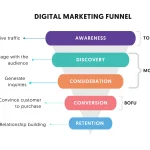
Think of your conversion process as a funnel. At the wide top, you have many potential customers; at the narrow bottom, you have actual sales. Your job is to make that funnel as efficient as possible, ensuring fewer people drop out along the way. This isn’t about tricking people; it’s about providing value and clarity at every stage.
-
Awareness Stage: Sparking Interest. This is where potential customers first encounter your brand or realize they have a problem you can solve. Your digital marketing strategy here focuses on casting a wide but targeted net. Content marketing, social media campaigns, search engine optimization (SEO), and paid advertising (PPC) are all tools. The goal isn’t to sell immediately, but to introduce yourself and offer initial value. Are you attracting the right kind of attention?
-
Consideration Stage: Nurturing Engagement. Once they’re aware, they start researching. They’re comparing options, looking for solutions. Here, you provide more in-depth information: blog posts, case studies, webinars, product demos, email sequences. This is where you build trust and establish your authority. Your lead generation strategy here might involve offering a valuable download in exchange for an email address, allowing you to continue the conversation. Are you answering their questions before they even ask them?
-
Decision Stage: The Moment of Truth. This is where they’re ready to buy. Your focus shifts to making the purchase as easy, clear, and compelling as possible. This involves clear calls to action, transparent pricing, strong testimonials, and a smooth checkout process. This is where sales funnel optimization is paramount. Every click, every form field, every message on this page can impact your website conversion rate. Is there any doubt in their mind, or is the path clear?
-
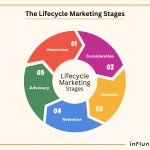
Retention & Advocacy: Beyond the First Sale. A conversion-focused strategy doesn’t end with a purchase. Happy customers become repeat customers, and even better, they become advocates. This stage focuses on excellent customer service, personalized communication, loyalty programs, and encouraging reviews. Understanding and boosting customer lifetime value (CLTV) is crucial here. A single sale is good; a customer who buys repeatedly and tells their friends is gold.
The Pillars of Conversion Optimization (CRO): Fine-Tuning Your Machine
Now that we understand the journey, let’s talk about the specific areas you need to constantly refine. This is the heart of conversion rate optimization (CRO).
-
Website User Experience (UX) Optimization: Your website isn’t just a digital brochure; it’s your storefront, your sales team, and your customer service desk rolled into one.
- Speed: A slow website is a conversion killer. People are impatient.
- Mobile-Friendliness: Most people browse on their phones. Your site must look and function perfectly on every device.
- Intuitive Navigation: Can visitors easily find what they’re looking for? Is the path to purchase clear?
- Visual Clarity: Is the design clean, professional, and easy on the eyes? Are your product images high-quality?
-
Compelling Content and Messaging: This isn’t just about sounding good; it’s about speaking directly to your buyer personas’ needs and desires.
- Clear Value Proposition: What unique problem do you solve? Why should they choose you over competitors? State it simply and powerfully.
- Benefit-Oriented Language: Instead of listing features, explain how those features benefit the customer. ("This phone has a 50MP camera" vs. "Capture breathtaking memories with crystal-clear photos.")
- Strong Calls to Action (CTAs): Don’t just say "Click Here." Use action-oriented, benefit-driven language like "Get Your Free Guide Now," "Start Your 30-Day Trial," or "Unlock Exclusive Savings."
-
Streamlined Processes: Any friction point is a potential exit point.
- Simplified Forms: Only ask for essential information. Long, complex forms scare people away.
- Easy Checkout: Guest checkout options, clear progress indicators, and minimal steps are crucial for e-commerce conversion.
- Clear Policies: Returns, shipping, and privacy policies should be easy to find and understand, building trust.
-
Building Trust and Credibility: In the online world, trust is currency.
- Social Proof: Testimonials, customer reviews, ratings, case studies, and media mentions all build confidence. Show, don’t just tell, that others love what you do.
- Security Badges: For e-commerce, display SSL certificates and payment security logos prominently.
- Professionalism: High-quality content, error-free writing, and a polished website design convey competence.
The Engine: Data, Testing, and Relentless Iteration
A conversion-focused strategy isn’t a "set it and forget it" endeavor. It’s a continuous cycle of learning and improvement. This is where data-driven marketing comes into its own.
-
Marketing Analytics: What to Measure. You can’t improve what you don’t measure. Equip yourself with tools like Google Analytics to track:
- Website Conversion Rate: The percentage of visitors who complete a desired action (e.g., purchase, sign-up). This is your North Star metric.
- Bounce Rate: The percentage of visitors who leave your site after viewing only one page. High bounce rates can indicate poor relevance or UX optimization issues.
- Time on Page: How long visitors spend on key pages.
- Traffic Sources: Where are your most valuable customers coming from? Which digital marketing strategy is truly effective?
- Funnel Drop-off Points: Where are people abandoning your sales funnel optimization efforts? This is crucial for pinpointing problems.
- Customer Acquisition Cost (CAC) and Customer Lifetime Value (CLTV): These tell you if your growth is profitable.
-
A/B Testing: The Scientific Method for Growth. Don’t guess; test. A/B testing marketing involves creating two versions of a webpage, headline, button, or email, showing them to different segments of your audience, and seeing which performs better.
- Test one variable at a time: Change the color of a button, the wording of a headline, the placement of a form.
- Focus on high-impact areas: Test elements on your highest-traffic pages or critical points in your e-commerce conversion process.
- Be patient: Give tests enough time to gather statistically significant data.
-
Feedback Loops: Listening to Your Customers. Your customers are your best source of information.
- Surveys: Ask them directly about their experience, what they liked, and what frustrated them.
- User Testing: Watch real users interact with your website. Their struggles will illuminate problems you never noticed.
- Customer Service Insights: Your support team hears complaints and questions daily. This is invaluable qualitative data for growth hacking techniques.
-
Continuous Improvement: The Growth Mindset. This iterative process of analyzing, hypothesizing, testing, and implementing is what growth hacking techniques are all about. It’s not about one big change; it’s about hundreds of small, data-backed improvements that compound over time, leading to significant revenue growth strategy.
Putting It All Together: A Real-World Sketch
Imagine Sarah, who sells artisanal coffee beans online. Her initial strategy was simple: run Instagram ads to get people to her website. She got traffic, but few sales.
- Problem: High traffic, low e-commerce conversion. High customer acquisition cost (CAC).
- Conversion-Focused Approach:
- Persona: She realizes her ideal customer, "Coffee Connoisseur Chris," values ethical sourcing and unique flavor profiles, not just cheap beans.
- Journey Mapping: She sees Chris often lands on a generic "Shop Now" page, which doesn’t speak to his values. He then struggles to find detailed bean origins.
- Optimization:
- She reworks her digital marketing strategy to target Chris more precisely with ads highlighting ethical sourcing.
- She creates a new landing page specifically for "ethically sourced single-origin beans," featuring a compelling story and beautiful photos (improved UX optimization).
- She adds detailed flavor notes and origin stories to each product page.
- She implements a clear "Add to Cart" button and simplifies her checkout process, even adding a guest checkout option (sales funnel optimization).
- She runs A/B testing marketing on different headlines and product descriptions to see what resonates most with Chris.
- She adds a "Leave a Review" prompt post-purchase to build social proof and gathers testimonials for her product pages.
- She starts tracking her website conversion rate and specific funnel drop-offs with marketing analytics.
The result? Sarah’s traffic might not explode, but her conversion rate skyrockets. Her customer acquisition cost (CAC) per sale drops significantly, and her customer lifetime value (CLTV) increases as happy customers return. Her business begins to experience genuine, sustainable revenue growth strategy.
Overcoming Challenges on the Conversion Journey
This path isn’t without its bumps. You might face:
- Analysis Paralysis: Too much data can be overwhelming. Start small, focus on key metrics.
- Fear of Change: It can be scary to alter something you’ve built, but stagnation is often more dangerous.
- Lack of Resources: If you’re a small team, prioritize. Focus on the highest-impact changes first.
- Impatience: Conversion rate optimization (CRO) takes time. Don’t expect miracles overnight. It’s a marathon, not a sprint.
The Long-Term View: Sustainable, Profitable Growth
A conversion-focused growth strategy is not just about getting more sales today. It’s about building a robust, resilient business for tomorrow. By deeply understanding your customers, optimizing their journey, and relentlessly refining your processes based on real data, you create a powerful engine that can withstand market changes and fuel consistent, profitable expansion.
It’s about turning your digital storefront into a welcoming, efficient, and irresistible destination where visitors become customers, and customers become loyal fans. It’s the smart way to grow, ensuring every visitor counts and every effort you make contributes directly to your bottom line.