The Heartbeat of Tomorrow: How AI is Reshaping Your Customer’s Journey, One Personalized Moment at a Time

The Heartbeat of Tomorrow: How AI is Reshaping Your Customer’s Journey, One Personalized Moment at a Time
Remember the last time you felt truly understood by a company? Perhaps a website suggested exactly what you were looking for, or a support chat instantly resolved your issue without making you repeat yourself a dozen times. That feeling of effortless connection, of being seen and valued, isn’t magic. It’s the quiet revolution of AI-driven customer experience, a fundamental shift that’s transforming how businesses interact with the people who keep them going. This isn’t about robots taking over; it’s about smart tools helping real people build stronger, more meaningful relationships.
Think back to a time not so long ago. You’d call a customer service line, navigate a labyrinth of automated menus, wait on hold for what felt like an eternity, only to explain your problem to three different people. Or maybe you’d browse an online store, seeing a flood of irrelevant products, wondering if the company actually knew anything about your preferences. These frustrations weren’t just minor annoyances; they were cracks in the foundation of customer experience management, leading to lost trust and dwindling loyalty. Businesses struggled to keep pace with an ever-demanding clientele, often playing catch-up, reacting to problems instead of preventing them.
But what if businesses could anticipate your needs before you even voiced them? What if every interaction felt tailor-made, as if the company had a personal assistant dedicated solely to you? That’s the promise, and increasingly the reality, of an AI customer service solution. At its core, it’s about using intelligent technology to learn from vast amounts of data, understand individual preferences, predict future behaviors, and then deliver incredibly precise, timely, and relevant interactions. It’s about moving from a one-size-fits-all approach to a deeply personalized customer journey for every single person.
Imagine walking into your favorite local coffee shop. The barista knows your name, your usual order, and perhaps even remembers a small detail about your life. That’s a truly personal experience, built on human connection and memory. Now, scale that feeling to millions of customers interacting with a global brand. That’s the aspiration of AI in customer experience. It’s about mimicking that human understanding and attentiveness, not to replace the human touch, but to amplify it, making every digital interaction feel just as warm and relevant as that local coffee shop visit.
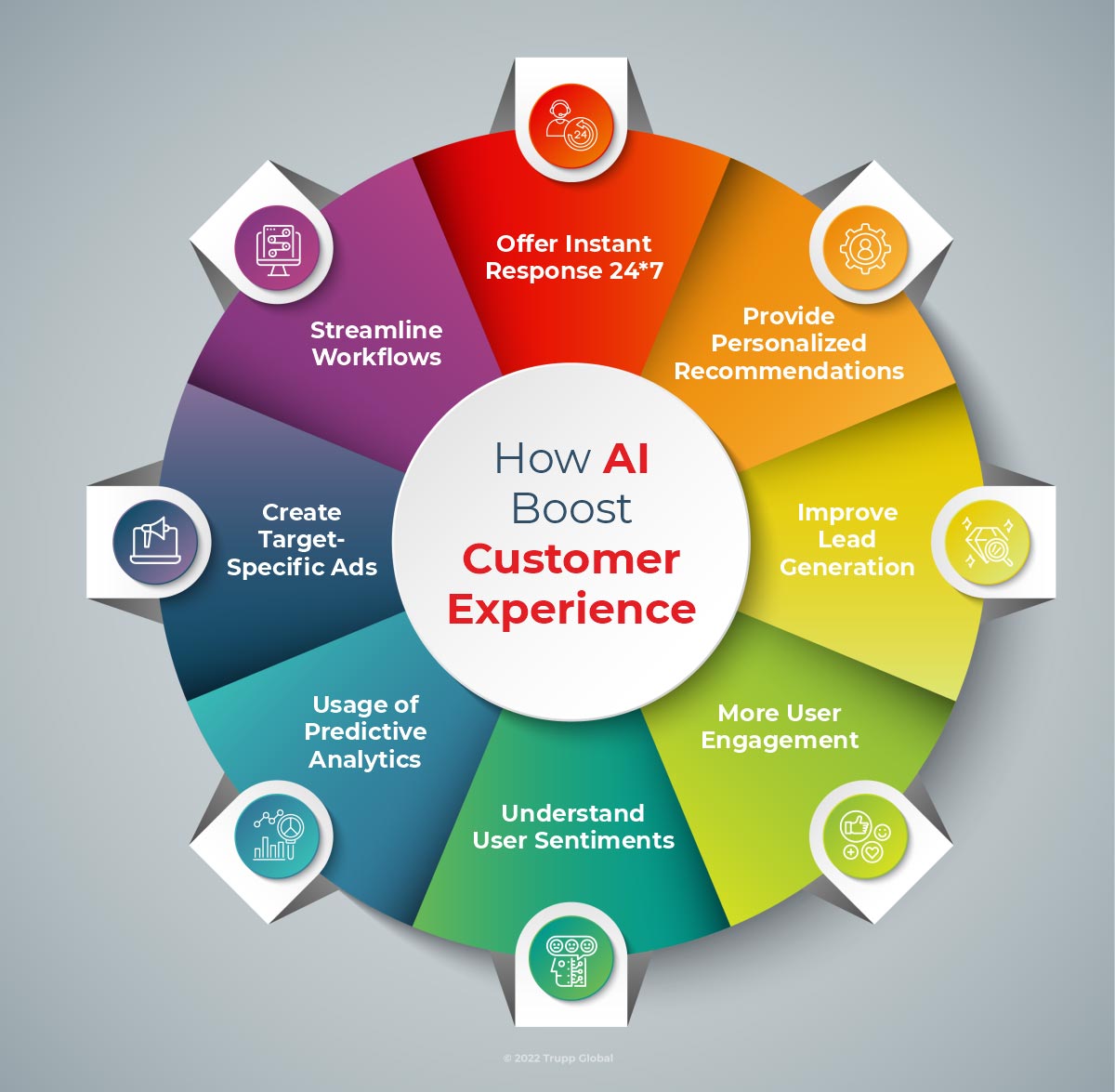
One of the most immediate and impactful ways AI has changed the game is through personalization. Gone are the days of generic email blasts and homepage displays. Today, when you visit an e-commerce site, the products you see are often curated just for you. This isn’t random; it’s predictive analytics customer behavior at play. AI algorithms sift through your past purchases, browsing history, even what others with similar tastes have bought, to suggest items you’re genuinely likely to want. This doesn’t just make shopping easier; it makes it more enjoyable. You feel understood, and you save time not sifting through irrelevant options. This kind of intelligence extends beyond shopping carts, influencing everything from the movies suggested on your streaming service to the news articles recommended by your preferred platform. It transforms a vast, overwhelming digital world into a curated space that feels uniquely yours, significantly enhancing customer engagement.
Beyond tailored recommendations, AI is revolutionizing how we get help. Have you ever interacted with a chatbot that actually understood your complex question, or a voice AI customer support system that didn’t make you repeat "representative" five times? That’s the power of natural language processing (NLP), a branch of AI that allows computers to understand, interpret, and generate human language. These automated customer support systems are no longer clunky, rule-based programs. They learn from every interaction, becoming smarter and more efficient. For simple queries, they provide instant answers 24/7, freeing up human agents to focus on more complex, emotionally nuanced issues. This doesn’t just cut down on wait times; it provides immediate satisfaction, a critical component of positive customer interactions.
Consider the typical customer service scenario: a forgotten password, a billing question, or tracking a package. In the past, these would often require a phone call and a lengthy wait. Now, many businesses offer instant support through intelligent chatbots embedded directly on their websites or within messaging apps. These chatbot customer experience tools can guide users through troubleshooting steps, access account information, and even initiate returns or exchanges, all without human intervention. This shift drastically improves customer satisfaction AI metrics, as problems are resolved quickly and efficiently, often within minutes.
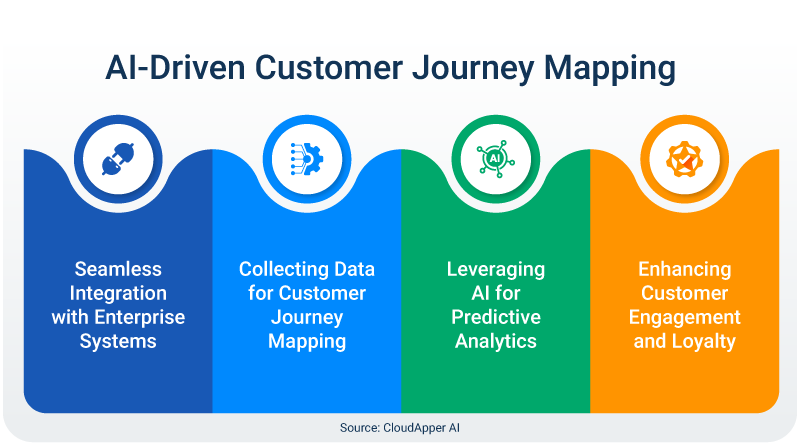
But AI’s role goes beyond just reacting to customer needs; it’s increasingly about anticipating them. Imagine your internet provider proactively alerting you to a potential service disruption in your area before it even affects you, offering solutions or setting expectations. Or your bank sending a gentle reminder about an upcoming bill payment based on your spending patterns, preventing an overdraft. This is proactive customer care, driven by AI analyzing vast datasets to spot patterns and predict future scenarios. By identifying potential issues before they escalate, businesses can step in with timely information or assistance, turning potential frustration into a moment of genuine appreciation. This foresight is a powerful tool for customer retention strategies, demonstrating that a company truly cares about its customers’ well-being, not just their transactions.
The power of AI also extends to listening, truly listening, to what customers are saying. Beyond traditional surveys, AI can analyze mountains of unstructured data – social media posts, product reviews, support call transcripts, and forum discussions – to gauge customer sentiment. This data-driven customer insight allows businesses to understand not just what customers are saying, but how they feel about products, services, and the brand as a whole. Is there a recurring complaint about a specific feature? Are customers overwhelmingly positive about a new service? Sentiment analysis tools can pinpoint these trends, providing invaluable feedback that helps companies make informed decisions, quickly adapt their offerings, and continually refine their customer loyalty programs AI components. This constant feedback loop means businesses are always learning, always evolving, and always striving to meet evolving customer expectations.
For businesses, the benefits of embracing AI in their customer strategies are profound, extending far beyond simply making customers happy. Firstly, there’s the significant gain in efficiency. Automating routine tasks with AI frees up human employees, allowing them to focus on higher-value activities that require empathy, complex problem-solving, and strategic thinking. This not only reduces operational costs but also empowers employees, leading to greater job satisfaction. Secondly, the insights gleaned from AI-powered analytics are game-changers. Understanding customer experience management through the lens of AI allows businesses to identify pain points, optimize processes, and make data-backed decisions that directly impact their bottom line. It’s a powerful tool for digital transformation customer experience, allowing companies to adapt quickly in a rapidly changing market.
Moreover, the deep personalization fostered by AI translates directly into increased sales and stronger customer relationships. When customers feel understood and valued, they are more likely to make repeat purchases, recommend the brand to others, and remain loyal even when faced with alternatives. This leads to higher lifetime value per customer and a robust, sustainable business model. Integrating AI with existing systems, particularly AI CRM integration, allows for a unified view of the customer, ensuring that every department, from sales to marketing to support, is working with the same, up-to-date, intelligent information. This eliminates silos and creates a truly cohesive brand experience.
So, how does a business embark on this journey? It doesn’t have to be an all-or-nothing leap. Many companies start by identifying specific pain points where AI can make an immediate difference. Perhaps it’s automating frequently asked questions with a smart chatbot, or implementing an AI tool to analyze customer feedback. The key is to start small, learn, and iterate. The goal isn’t to replace human interaction, but to enhance it. AI works best when it’s seen as a powerful assistant, taking care of the repetitive, data-heavy tasks, thereby empowering human teams to deliver truly exceptional service. Businesses need to focus on collecting clean, relevant data, as AI’s intelligence is only as good as the information it processes. Investing in the right technology and training teams to work alongside AI are crucial steps.
The beauty of AI in customer experience lies in its ability to bring a human-like understanding to the vast scale of modern business. It allows a company of millions to feel like that familiar local shop, knowing your preferences, anticipating your needs, and making every interaction feel personal. It’s about moving from transactional relationships to truly relational ones, built on trust, understanding, and mutual respect.
Looking ahead, the future of customer interaction is even more exciting. We’ll see AI becoming even more sophisticated, capable of understanding complex emotions, predicting intent with greater accuracy, and delivering truly seamless, multi-channel experiences. Imagine an AI assistant that can transition effortlessly from a text chat to a voice call, retaining all context and understanding, ensuring you never have to repeat yourself. Or AI that can create truly immersive, personalized virtual experiences that blur the lines between physical and digital. Ethical considerations around data privacy and transparency will, of course, remain paramount, ensuring that these powerful tools are used responsibly and for the benefit of the customer.
Ultimately, the AI-driven customer experience isn’t just a technological upgrade; it’s a philosophy. It’s a commitment to putting the customer at the absolute center of every business decision, using the most advanced tools available to ensure their journey is as smooth, personalized, and delightful as possible. It’s about building a future where every interaction, no matter how small, reinforces the feeling that you are valued, understood, and truly connected to the brands you choose. For businesses ready to embrace this new frontier, it promises not just satisfied customers, but loyal advocates, driving growth and shaping a more intelligent, empathetic marketplace for everyone.