

The Digital Transformation Roadmap: Your GPS for Navigating the Future of Business
Imagine for a moment your business is a ship, a proud vessel sailing the vast, often unpredictable ocean of the global market. For years, you’ve navigated with traditional maps and trusty compasses, perhaps even relying on the familiar stars above. But suddenly, the winds have changed. New currents are forming, mysterious islands are appearing, and other ships are zooming past, powered by invisible forces you don’t quite understand. This isn’t just a metaphor; it’s the reality for countless organizations today, facing the seismic shift of digital transformation. Without a clear map, a detailed digital transformation roadmap, you’re not just sailing blind, you’re risking being left adrift while others conquer new horizons.
This isn’t just about slapping on some new software or launching a fancy app. No, digital transformation is a fundamental rewiring of how your entire business operates, from the inside out. It’s about rethinking processes, redefining customer interactions, and empowering your people with cutting-edge tools. And just like any ambitious journey, you need a plan – a comprehensive, living document that guides every step.
Why a Roadmap? Your GPS for the Digital Journey
Think of your digital transformation roadmap as that indispensable GPS. It doesn’t just tell you where you are; it shows you exactly where you’re going, the best routes to take, potential detours, and even estimates your arrival time. Without it, you’re prone to random tech purchases, isolated projects that don’t talk to each other, and a whole lot of wasted effort and budget.
A well-crafted roadmap brings clarity. It aligns everyone, from the CEO to the front-line staff, on a shared vision. It helps manage expectations, identify risks early, and ensures that every investment in new technology or process improvement directly contributes to your overarching business goals. It’s the difference between haphazardly throwing darts at a board and carefully aiming for the bullseye.
Chapter 1: The Starting Line – Understanding Your Current Landscape
Before you can chart a course, you absolutely must know your starting point. This isn’t a quick glance; it’s a deep, honest dive into your current state, like an experienced captain thoroughly inspecting their ship before a long voyage.
Self-Assessment: Where Are We Now?
Take a good, hard look at your existing technology stack. Are you relying on legacy system modernization solutions that creak and groan under the demands of today’s market? Many businesses find themselves hobbled by outdated software and hardware that were cutting-edge decades ago but now act like anchors. Identify these systems. Document their limitations, their integration challenges, and the cost of keeping them alive.
Beyond the tech, examine your processes. Where are the bottlenecks? What tasks are repetitive, error-prone, or incredibly time-consuming? Talk to your employees. What frustrates them? What tools do they wish they had? These pain points are often flashing red lights indicating areas ripe for digital improvement.
Finally, assess your team’s skills. Are your people equipped for the digital age? Do they have the training, the mindset, and the comfort level with new technologies? Digital transformation isn’t just about machines; it’s about empowering your human capital.
Vision Casting: Where Do We Want to Go?
Once you know where you are, it’s time to dream big, but with purpose. Where do you want your business to be in three, five, or even ten years? This isn’t just a wish list; it needs to be grounded in clear, measurable objectives. Do you aim to:
- Increase customer satisfaction by 20%?
- Reduce operational costs by 15%?
- Launch two new digital products annually?
- Enter three new markets enabled by digital platforms?
These goals must align perfectly with your overall business strategy. If your overarching goal is market leadership, your digital strategy should directly support that. This is where engaging a digital strategy consulting firm can be incredibly valuable, helping you translate lofty ambitions into concrete, actionable objectives. They bring an outside perspective, best practices, and a structured approach to defining your digital future.
Chapter 2: Charting the Course – Designing Your Digital Transformation Roadmap
With your starting point understood and your destination clearly defined, it’s time to draw the map. This is where you outline the major milestones, the necessary investments, and the critical shifts required.
Step 1: Leadership Buy-in & Cultural Shift
Let’s be blunt: if your leadership isn’t fully on board, your digital transformation is dead in the water. This isn’t an IT project; it’s a business imperative that requires unwavering commitment from the top. Leaders must not only champion the vision but actively participate in the journey, setting the tone and allocating resources.
But it’s not just about leaders. It’s about people. Digital transformation often means changing deeply ingrained habits, processes, and even job roles. This can trigger resistance, fear, and uncertainty. A robust change management strategy is crucial here. Communicate openly and often. Explain the ‘why’ behind the changes. Involve employees in the process, listen to their concerns, and provide ample training and support. Remember, technology is easy; people are hard. You’re asking them to learn new ways, and that takes empathy and support.
Step 2: Customer at the Core
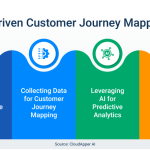
Who are you doing all this for? Your customers, of course! Any effective digital transformation roadmap places the customer experience front and center. Start by mapping out your customer journeys. How do they interact with your brand today? What are their pain points? Where are the opportunities to delight them?
Leverage digital tools to personalize experiences, streamline interactions, and provide exceptional service. This could mean implementing AI-powered chatbots for instant support, developing intuitive mobile apps, or creating personalized marketing campaigns based on data. The goal of customer experience transformation is not just to satisfy but to utterly captivate your audience, turning them into loyal advocates.
Step 3: Data as Your North Star
In the digital age, data is the new oil – but only if you know how to extract it, refine it, and use it. Your roadmap must include a robust plan for data collection, storage, analysis, and utilization. This means breaking down data silos, ensuring data quality, and implementing powerful analytics tools.
Don’t just collect data for data’s sake. The real power comes from turning raw information into actionable insights. This requires a dedicated data analytics implementation strategy. Invest in platforms that can process vast amounts of data, identify trends, predict future outcomes, and inform strategic decisions. More importantly, foster a data-driven culture where decisions are made based on evidence, not just gut feelings.
Step 4: Technology as Your Vehicle
Now, for the exciting part – the actual tech! But remember, technology is a tool, not the destination itself. Choose technologies that directly support your business goals and customer needs.
-
Cloud Adoption Strategy: The move to the cloud is non-negotiable for most modern businesses. It offers unparalleled scalability, flexibility, and cost-efficiency. Whether it’s public, private, or hybrid, a clear cloud adoption strategy outlines how you’ll migrate existing applications, develop new ones, and manage your cloud infrastructure securely. It’s about freeing yourself from the shackles of on-premise hardware and gaining agility.
-
Workflow Automation Solutions: Repetitive, manual tasks are efficiency killers. Identify these processes and explore workflow automation solutions like Robotic Process Automation (RPA) or intelligent process automation. Automating mundane tasks frees up your employees to focus on higher-value, more creative work, leading to increased productivity and job satisfaction.
-
AI Integration Business: Artificial Intelligence (AI) and Machine Learning (ML) are no longer science fiction; they are powerful tools for gaining competitive advantage. Your roadmap should consider strategic AI integration business applications, such as predictive analytics for sales forecasting, personalized product recommendations, automated customer service, or optimizing supply chains. Start small, identify specific problems AI can solve, and scale up.
-
Cybersecurity Strategy: As you embrace digital, your attack surface grows. A robust cybersecurity strategy isn’t an afterthought; it’s an integral part of your roadmap. Protect your data, your systems, and your customers’ trust with proactive measures, employee training, and resilient security protocols. A data breach can derail your entire transformation and damage your reputation beyond repair.
Chapter 3: The Journey Begins – Execution and Agility
A roadmap is useless if it just sits on a shelf. The real work begins with execution. And crucially, this journey isn’t a straight line.
Phased Approach: Don’t Eat the Elephant Whole
Trying to transform everything at once is a recipe for overwhelm and failure. Break your roadmap into manageable phases or sprints. Start with pilot programs in specific departments or for particular processes. Aim for "quick wins" – projects that deliver tangible value relatively quickly. These early successes build momentum, demonstrate the benefits of transformation, and secure further buy-in. It’s like building a complex LEGO model: you tackle it brick by brick, section by section, rather than dumping all the pieces on the floor and hoping for the best.
Agile Methodology: Adapting to the Terrain
The digital landscape is constantly shifting. What was cutting-edge yesterday might be obsolete tomorrow. This is why an agile methodology benefits approach is so critical for digital transformation. Instead of rigid, waterfall-style planning, agile embraces iterative development, continuous feedback loops, and the flexibility to pivot when new information or technologies emerge.
This means regularly reviewing progress, gathering feedback from users, and being prepared to adjust your course. It’s about being responsive, not just reactive. Think of it like a skilled sailor who constantly adjusts their sails to catch the wind perfectly, rather than sticking to a fixed direction regardless of the conditions.
Measuring Progress: Are We There Yet?
How will you know if your transformation efforts are paying off? Your roadmap must include clear Key Performance Indicators (KPIs) tied directly to the goals you set in Chapter 1. Are customer satisfaction scores improving? Have operational costs decreased? Is employee productivity up?
Regularly track these KPIs. Conduct periodic reviews – monthly, quarterly, annually – to assess progress, celebrate successes, identify roadblocks, and make necessary adjustments to your roadmap. This isn’t just about accountability; it’s about learning and continuously improving your approach.
Chapter 4: Beyond the Horizon – Sustaining the Transformation
Digital transformation is not a destination you reach and then stop. It’s an ongoing journey, a continuous evolution. The finish line today is just the starting line for tomorrow’s challenges and opportunities.
Continuous Improvement: Digital is a Journey, Not a Destination
The most successful digital organizations foster a culture of continuous improvement and innovation. They constantly scan the horizon for emerging technologies, new market trends, and evolving customer expectations. They encourage experimentation, learning from both successes and failures. This means regularly revisiting your roadmap, updating it with new insights, and challenging the status quo. What new AI capabilities are emerging? How can blockchain revolutionize your supply chain? The questions never stop, and neither should your exploration.
Upskilling Your Team: Empowering Your Crew
Your people are your most valuable asset. As technology evolves, so too must their skills. Invest heavily in training and development programs. Help your employees acquire new digital competencies, from data literacy to advanced software skills. Foster a growth mindset where learning is celebrated and encouraged.
Moreover, attract new talent with specialized digital expertise. Build diverse teams that bring fresh perspectives and innovative ideas. Empowering your crew with the right skills and tools ensures they can navigate the ever-changing digital seas with confidence and competence.
The Digital Dawn Awaits
Embarking on a digital transformation without a clear roadmap is like setting sail across the Atlantic with no compass, no charts, and no destination in mind. You might drift, you might encounter some interesting sights, but you’re highly unlikely to reach a desired port.
A well-defined digital transformation roadmap, however, is your guiding star. It’s a living document that empowers you to understand your current state, envision your future, make strategic technology choices, manage organizational change, and continuously adapt to a dynamic world. It ensures that every step you take, every investment you make, moves your business closer to a future where it’s not just surviving, but thriving.
The digital dawn is here, bringing with it immense opportunities for those bold enough to embrace it. With your roadmap in hand, you’re not just ready for the future; you’re actively shaping it, steering your ship towards unprecedented success and relevance in the digital age. So, hoist the sails, check your bearings, and embark on this incredible journey. The rewards for those who navigate wisely are boundless.